Shine Where It Counts: Ultimate Guide to Marine Engine Room Lighting

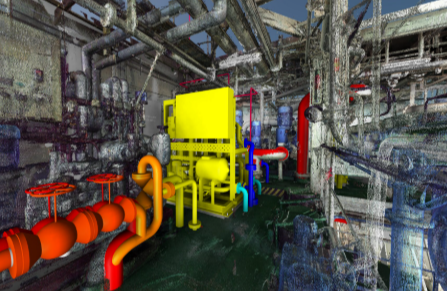
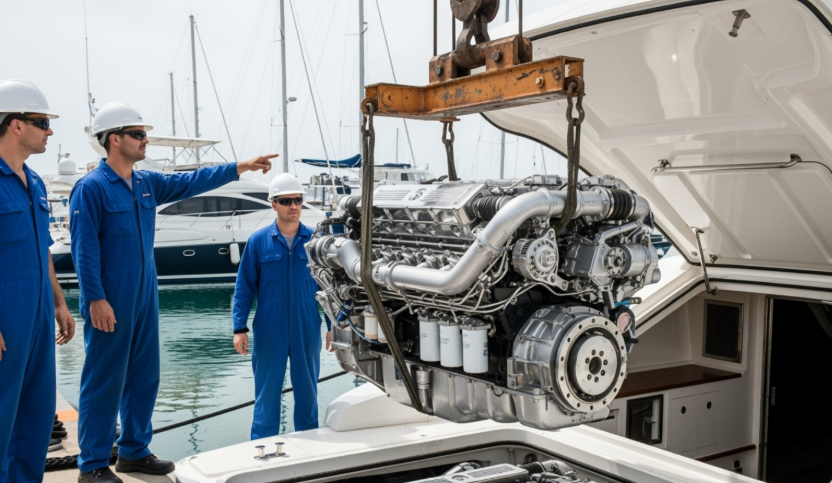
The engine room is the heart of any vessel, where power is generated, systems are maintained, and safety is always a top priority. Yet many boat owners overlook one crucial element that keeps everything running smoothly: proper lighting. Good engine room lighting isn’t just a convenience, it’s essential for safe maintenance, early detection of issues, and minimizing accidents. For boat owners looking to upgrade or optimize their setup, our comprehensive guide on marine engine room lights explains how to choose durable, safe, and efficient lighting solutions. This article explores everything from lighting types and placement to maintenance tips and safety considerations.
Why Engine Room Lighting Matters
The engine room is a high-risk environment. Oil, fuel, and electrical systems all come together in a confined space, and any misstep can lead to costly damage or worse, injury. Here’s why lighting matters:
- Safety: Poor visibility increases the risk of slips, trips, and accidental contact with hot or moving components. Bright, well-placed lights reduce these hazards.
- Efficiency: Routine checks, repairs, or troubleshooting are faster when the workspace is properly illuminated. This means less downtime and more productive time on the water.
- Detection of Issues: Leaks, corrosion, or worn components are easier to spot under adequate lighting. Early detection prevents minor issues from turning into expensive repairs.
- Longevity of Equipment: Proper lighting allows for careful inspections, ensuring engines and machinery are maintained according to recommended schedules.
Types of Marine Engine Room Lighting
Choosing the right type of light for your engine room is critical. Marine environments are harsh, with heat, moisture, and vibration challenging conventional lighting solutions. Here are the most common options:
1. LED Lighting
LEDs have become the gold standard for marine applications. They offer:
- Energy Efficiency: LEDs consume far less power than traditional incandescent bulbs, an essential factor on vessels where energy conservation is key.
- Longevity: Many marine-grade LEDs last 50,000 hours or more, reducing the frequency of replacements.
- Low Heat Output: Excess heat in the engine room can be dangerous; LEDs emit minimal heat.
- Durability: Shock- and vibration-resistant, they stand up to rough marine conditions.
2. Fluorescent Lights
Fluorescent lighting was once popular in engine rooms due to its bright output and lower energy use compared to incandescent bulbs. Key points:
- Pros: Even light distribution and relatively energy-efficient.
- Cons: Fragile tubes that can break under vibration, slower start times in cold temperatures, and eventual flickering or dimming over time.
3. Incandescent Bulbs
Traditional incandescent lights are rarely recommended today. While they provide warm light, they have significant drawbacks:
- High Energy Consumption: Draw more power, which is not ideal for limited marine electrical systems.
- Short Lifespan: Frequent replacements are needed.
- Heat Production: Can add unnecessary heat to the engine room, a safety concern.
Key Considerations for Engine Room Lighting
When selecting lighting for your vessel, several critical factors should guide your decision.
1. Brightness and Color Temperature
- Brightness: Measured in lumens, engine rooms require sufficient brightness to illuminate complex machinery without creating harsh shadows. Most experts recommend 300–500 lumens per square foot.
- Color Temperature: Cool white light (4000–6000K) is ideal. It mimics daylight and provides clear visibility, enhancing contrast and detail when inspecting engine components.
2. Placement and Coverage
- Overhead Lights: Ceiling-mounted lights provide general illumination but may cast shadows under equipment.
- Task Lighting: Flexible LED strips or spotlights target specific areas like panels, filters, or pumps.
- Redundant Lighting: Multiple fixtures ensure no dark spots remain, improving safety during maintenance or emergencies.
3. Waterproofing and Vibration Resistance
Engine rooms are humid, sometimes wet, and constantly vibrating. Look for IP-rated lights (IP67 or higher) and shock-resistant fixtures. Corrosion-resistant materials like stainless steel or marine-grade aluminum prolong lifespan.
4. Energy Efficiency
Marine vessels rely on finite electrical resources, especially sailboats or smaller boats with limited batteries. Energy-efficient LED lighting minimizes drain on the system, preserving power for engines, navigation, and essential electronics.
See also: The Future of Wearable Health Tech for Chronic Disease Management
Installation Tips
Proper installation is as important as choosing the right lights.
- Wiring: Use marine-grade, tinned copper wires that resist corrosion. Secure all cables to avoid chafing or loose connections.
- Switches: Consider separate switches for different lighting zones, allowing you to illuminate only what’s necessary.
- Fuses and Circuit Protection: Always protect circuits with the correct fuses to prevent electrical hazards.
- Inspection and Maintenance: Periodically check all lighting fixtures for corrosion, loose wires, and proper operation.
Maintenance and Upkeep
Even the best lighting systems require regular attention:
- Clean Fixtures: Dust, oil, and soot can accumulate on covers and lenses. Clean every few months.
- Check Connections: Vibration can loosen terminals or connectors; tighten as needed.
- Replace Damaged Lights Promptly: A burned-out or broken fixture can create unsafe conditions in a critical area.
Safety Considerations
Engine room lighting is about safety first:
- Avoid Overheating: Ensure lights are rated for high-temperature environments.
- Non-Glare Fixtures: Reduce eye strain and improve visibility.
- Emergency Lighting: Include battery-powered lights in case of power failure.
- Color Coding: Some marine operators use colored lights (red or blue) to differentiate zones or identify emergency switches.
Upgrading Your Engine Room Lighting
If your vessel still relies on older incandescent or fluorescent lights, upgrading to LEDs is a smart investment. Modern LED systems offer:
- Lower energy consumption
- Longer life
- Improved visibility
- Enhanced safety and comfort for crew members
Installation may be as simple as replacing existing fixtures or adding LED strips to complement overhead lighting. Consulting with a marine electrician ensures safe and code-compliant upgrades.
Conclusion
Your marine engine room is more than just a utility space; it’s the core of your vessel’s operation. Proper lighting ensures safety, efficiency, and long-term equipment reliability. By choosing energy-efficient, durable lights, strategically placing fixtures, and maintaining your system regularly, you create a safer, more productive environment below deck.
When it comes to engine room lighting, remember: it’s not just about brightness it’s about shining where it counts.