High Efficiency Adsorption Chillers for Industry

Growing Demand for Energy Efficient Cooling Systems
Industrial facilities and commercial complexes are increasingly seeking cooling technologies that reduce electricity consumption while maintaining consistent performance. Conventional vapor compression systems rely heavily on electrical energy and synthetic refrigerants. Rising energy costs and environmental regulations are driving the adoption of alternative cooling solutions that offer sustainability and operational efficiency.
Among the most promising technologies are systems developed by leading Adsorption Chiller Manufacturers. These systems operate using thermal energy rather than high electrical input, making them suitable for facilities that generate waste heat or have access to low grade heat sources. By converting available thermal energy into effective cooling, adsorption chillers help organizations optimize resource utilization and reduce overall operating expenses.
Adsorption based cooling aligns with global sustainability objectives. It supports reduced greenhouse gas emissions and lowers dependency on high power consumption systems. Industries seeking long term cost control and environmental compliance are increasingly integrating adsorption chillers into their energy management strategies.
Understanding the Working Principle of Adsorption Chillers
Adsorption chillers operate on a thermally driven refrigeration cycle that uses a solid adsorbent material and a refrigerant, typically water. The system functions through cyclic adsorption and desorption processes that create cooling without relying on mechanical compression.
In an adsorption cycle, the adsorbent material such as silica gel or zeolite captures water vapor at low pressure. When heat is applied, the adsorbent releases the vapor in a process known as desorption. This vapor then condenses and evaporates under controlled conditions to produce a cooling effect. The cycle repeats continuously, generating chilled water suitable for air conditioning or industrial cooling.
Advanced Adsorption Chillers are designed with multiple beds that operate alternately. While one bed undergoes adsorption, the other regenerates through heat input. This alternating operation ensures continuous cooling output and stable system performance.
The absence of high speed compressors reduces mechanical wear and vibration. As a result, adsorption chillers offer quieter operation and lower maintenance requirements compared to traditional systems. Their design also eliminates the need for harmful refrigerants, supporting environmentally responsible cooling.
Key Components of an Adsorption Chiller System
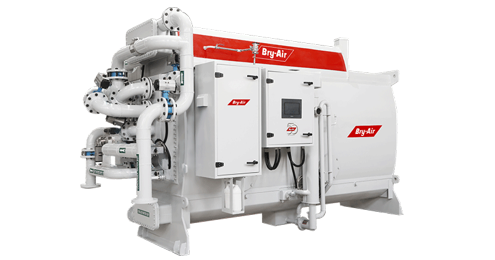
An adsorption chiller consists of several integrated components that enable efficient thermal driven cooling. The adsorbent beds are central to the process, providing the surface area required for vapor adsorption. A condenser and evaporator manage the phase change of the refrigerant to produce chilled water.
Heat exchangers facilitate thermal transfer during adsorption and desorption cycles. A control system coordinates the switching between beds, ensuring balanced and continuous operation. Pumps and valves regulate fluid movement throughout the system to maintain stable pressure and temperature conditions.
Each component must operate in precise coordination to achieve optimal cooling efficiency. Modern systems incorporate advanced automation and monitoring features to enhance reliability and energy performance.
Advantages of Adsorption Cooling Technology
Adsorption chillers offer several advantages that make them attractive for industrial and commercial applications. Their primary benefit is the ability to utilize low grade thermal energy sources such as waste heat, solar thermal energy, or hot water from industrial processes. This reduces reliance on electricity driven compressors.
Additional benefits include:
• Reduced electrical consumption and peak load demand
• Lower greenhouse gas emissions due to absence of synthetic refrigerants
• Quiet and vibration free operation
• Long operational life with minimal moving parts
These advantages contribute to improved sustainability and operational cost savings. Facilities that generate excess heat can convert it into useful cooling capacity, enhancing overall energy efficiency.
Applications Across Various Industries
Adsorption chillers are suitable for a wide range of industries and building types. Manufacturing plants often produce waste heat during production processes. Instead of releasing this heat into the environment, it can be captured and utilized to power adsorption cooling systems.
Commercial buildings, hospitals, hotels, and educational institutions can also benefit from thermally driven cooling. By integrating adsorption chillers into centralized HVAC systems, these facilities can achieve consistent climate control while reducing electrical demand.
In data centers and technology facilities, adsorption chillers can complement traditional cooling systems to manage peak loads. Their ability to operate using alternative heat sources provides operational flexibility and energy diversification.
Industrial processes that require precise temperature control can leverage adsorption technology to maintain stable cooling performance. The adaptability of adsorption systems supports both large scale installations and modular configurations.
See also: Digital Journalism Excellence With Modern News Platforms
Energy Integration and Sustainability Benefits
One of the most significant advantages of adsorption chillers is their compatibility with renewable and waste heat energy sources. Solar thermal collectors can provide the heat required for desorption cycles, enabling low carbon cooling solutions. Similarly, combined heat and power systems can integrate adsorption chillers to maximize overall plant efficiency.
By utilizing available thermal energy, facilities reduce dependency on grid electricity. This not only lowers operational costs but also decreases exposure to fluctuating energy prices. Reduced electrical consumption supports sustainability targets and regulatory compliance.
Environmental performance is further enhanced by the use of water as a refrigerant. Unlike conventional systems that rely on chemical refrigerants with global warming potential, adsorption chillers operate with natural and environmentally safe working fluids.
Design Considerations for Optimal Performance
Selecting the right adsorption chiller requires careful evaluation of heat source availability, cooling load requirements, and system integration needs. The temperature and consistency of the heat source directly influence system efficiency. Stable and adequate thermal input ensures reliable desorption cycles.
Cooling capacity must align with the facility’s load profile. Engineers analyze peak demand, seasonal variations, and operational schedules to determine appropriate system sizing. Oversizing or undersizing can affect performance and efficiency.
Installation layout and integration with existing HVAC infrastructure are also critical factors. Proper piping design, insulation, and control integration ensure seamless operation. Modern adsorption chillers include intelligent control systems that optimize cycle timing and monitor performance parameters.
Maintenance planning is relatively straightforward due to the limited number of moving parts. Routine inspection of heat exchangers, valves, and control components supports long term reliability.
Future Outlook of Adsorption Cooling
As industries prioritize decarbonization and energy efficiency, adsorption cooling technology is expected to gain further prominence. Research and development efforts are focused on improving adsorbent materials to enhance thermal conductivity and adsorption capacity. These advancements aim to increase system efficiency and reduce physical footprint.
Compact and modular designs are expanding the applicability of adsorption chillers across different facility sizes. Enhanced automation and remote monitoring capabilities allow operators to manage performance more effectively.
Integration with smart energy management systems is another emerging trend. Data analytics and performance tracking tools help optimize heat utilization and cooling output. These innovations strengthen the role of adsorption technology in sustainable infrastructure development.
Conclusion
Adsorption chillers represent a forward thinking approach to industrial and commercial cooling. By utilizing thermal energy instead of relying solely on electricity, they offer a sustainable and cost effective alternative to conventional systems. Their environmentally friendly operation, low maintenance requirements, and compatibility with renewable energy sources make them an attractive choice for modern facilities.
Careful system design and integration ensure optimal performance and long term efficiency. As demand for energy responsible solutions continues to grow, adsorption cooling technology will play an increasingly important role in achieving sustainability goals.
For advanced thermally driven cooling solutions and expert guidance, explore the innovative technologies offered by Bry-Air. Their expertise in adsorption based systems supports reliable and energy efficient cooling across diverse industrial applications.