The Ultimate Guide to Taking a Ferry to Amsterdam This Summer

Planning a summer break often starts with how the journey will feel, and not just how long it takes.
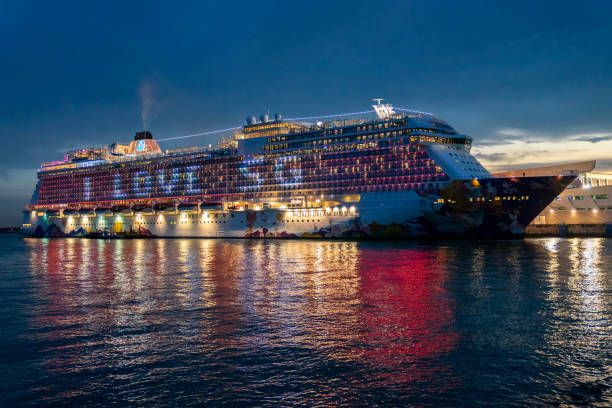
Choosing a ferry to Amsterdam shifts the focus from speed to comfort. The trip begins earlier, not at arrival, but the moment boarding starts.
A Journey That Feels Unhurried
Travel can feel demanding, with timings, long queues, and constant movement. A ferry removes most of that.
There is space to move around. There is time to slow down. The crossing usually runs overnight. This changes the rhythm completely. You depart in the evening. So, you reach the destination in the morning. Thus, the body adjusts naturally without rushing through the process.
Additionally, on a ferry ride, the luggage stays close. There are no repeated checks or waiting at the belts. This alone makes a difference.
Reaching Amsterdam, Step by Step
The ferry to Amsterdam does not arrive in the middle of the city. It docks nearby. From there, Amsterdam is a short drive or public transport ride away.
This final stretch feels easy. There is no sudden rush or overwhelming crowd. You experience just a gradual entry into the city. Such a smooth arrival often sets the tone for the rest of the trip.
The Experience on Board
The crossing itself is steady, especially in summer. Modern vessels are designed to reduce motion. So, the journey feels stable.
Cabins provide a private space to rest. They are simple and practical enough to reset before arrival.
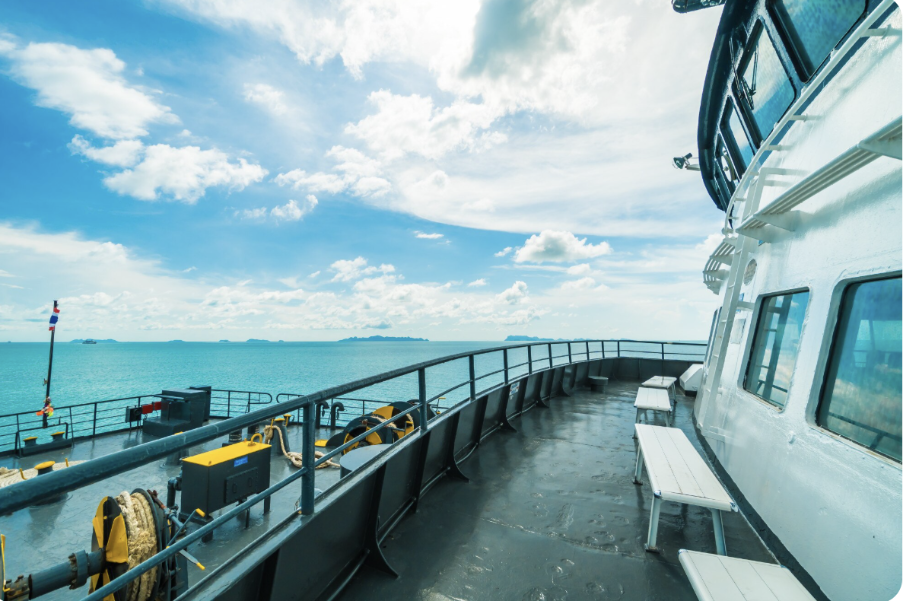
Outside, open decks offer a different experience. Watching the coastline fade, then return, creates a sense of movement that flights do not offer.
There is freedom to walk, sit, or pause. No fixed seating. No pressure.
Amsterdam’s Ferries: Part of Daily Life
Once in the city, ferries continue to matter. Amsterdam is divided by the IJ waterway. Ferries connect both sides.
They run from behind the central station. Clear signs guide the way. The system is simple and efficient.
The route to Buiksloterweg is the most active. Crossings take only a few minutes. Services run frequently, even through the night. Other routes link to IJplein and NDSM Wharf, opening access to different areas.
How It Works on the Ground
Using these ferries does not require detailed planning. It is straightforward.
- Reach the dock behind the station
- Check the next departure on the screen
- Let passengers exit first
- Step on board
- Move forward and wait
- Exit directly upon arrival
No tickets are needed for most crossings. Movement is constant, so delays are rare.
Designed for Ease
The system works for everyone. Boarding ramps are wide and level. Movement is smooth.
Wheelchairs, strollers, and cycles are all allowed. The setup makes short crossings simple and stress-free.
Even first-time visitors find it easy to navigate.
A Different View of the City
These ferries cross open water, not narrow canals. The view feels wider.
The skyline stretches out. Old structures sit beside newer designs. The contrast is clear from the river.
Even a short ride offers a fresh perspective. It is not just transport. It adds to the experience.
See also: Host Seamless Business Events with Adaptable Outdoor Structures
Simple Tips for a Better Trip
A few small choices can improve the journey:
- Arrive with time in hand
- Keep essentials easy to access
- Carry a light layer for changing weather
- Check local ferry routes before heading out
Transport apps and maps help with moving around once inside the city.
Why It Stands Out
A ferry to Amsterdam changes how the trip begins. It replaces urgency with ease. The journey becomes part of the experience, not just a way to reach the destination.
Once you reach Amsterdam, ferries continue to play their role. Quick crossings, simple access, and zero complications add to their appeal.
In summer, this way of traveling feels right. Ferries offer a steady start that carries through the entire trip.