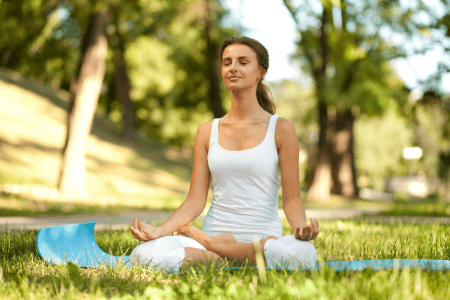
How To Get The Most Out Of Doing Yoga

Yoga is more than a physical exercise, as it is a practice that connects movement, breathing, and mental focus. Many people approach yoga casually without realizing how much more effective it can be with the right mindset and preparation. When done intentionally, yoga can improve strength, flexibility, balance, and stress management. Rushing through poses or treating yoga like a generic workout often limits its benefits. Developing awareness and consistency enhances results over time. Understanding how to approach yoga properly allows practitioners to deepen both physical and mental gains.
Focus on Proper Breathing Techniques
Breathing is one of the most important aspects of yoga practice. Controlled breathing helps regulate movement and maintain balance. Shallow or inconsistent breathing limits focus and endurance. Learning to breathe deeply supports relaxation and concentration. Breath awareness also reduces tension in the body.
Coordinating breath with movement improves flow between poses. This connection supports stability and alignment. Proper breathing enhances oxygen delivery to muscles. Calm breathing improves mental clarity. Breath control strengthens the mind body connection. Awareness elevates practice.
Prioritize Alignment Over Depth
Many beginners attempt to push too deeply into poses too quickly. This approach often leads to strain or discomfort. Proper alignment ensures that poses are performed safely and effectively. Depth should only increase as flexibility and strength improve. Alignment supports joint protection and muscle engagement.
Using blocks or straps can improve alignment without forcing movement. These tools help maintain balance and stability. Listening to the body prevents injury. Alignment improves posture. Safe movement supports consistency. Technique matters more than range.
Create a Consistent Practice Schedule
Consistency is key to experiencing yoga’s benefits. Practicing occasionally limits progress and familiarity. Regular sessions build strength, flexibility, and confidence. Short consistent practices are often more effective than long irregular ones. Routine creates habit.
Scheduling yoga sessions improves adherence. Consistency builds muscle memory. Familiarity improves flow between poses. Regular practice deepens awareness. Discipline supports progress. Habit strengthens results.
Choose Clothing That Supports Comfort and Focus
Comfortable clothing allows freedom of movement during yoga practice. Restrictive or shifting apparel can distract from poses and breathing. Stretchable fabrics support transitions and held positions. Secure fit prevents constant adjustment. Clothing choice affects confidence.
Many practitioners prefer yoga leggings for women because they provide flexibility, coverage, and consistent support during yoga sessions. These leggings allow full range of motion without distraction. Comfort supports mindfulness. Confidence improves focus. Apparel influences experience.
Use Modifications to Support Growth
Modifications are an important part of yoga practice for all skill levels. They allow poses to be adapted to individual abilities. Using modifications prevents strain and encourages proper form. Growth occurs through gradual improvement rather than force. Modifications support sustainability.
Choosing appropriate variations improves confidence. Modifications reduce frustration. Adaptation allows safe progression. Support builds consistency. Progress becomes accessible. Flexibility grows over time.
Pay Attention to Transitions Between Poses
Transitions are just as important as the poses themselves. Moving mindfully between positions maintains balance and control. Rushed transitions can disrupt breathing and alignment. Smooth transitions improve flow. Awareness during movement enhances stability.
Practicing transitions builds coordination. Control reduces injury risk. Flow improves mental focus. Seamless movement supports endurance. Attention enhances quality.
See also: The Future of Wearable Health Tech for Chronic Disease Management
Incorporate Mindfulness and Mental Focus
Yoga emphasizes presence and awareness. Mental focus enhances physical execution. Distracted practice reduces effectiveness. Mindfulness supports relaxation and stress reduction. Attention deepens engagement.
Focusing on breath and sensation anchors awareness. Mental clarity improves balance. Presence enhances enjoyment. Mindfulness supports emotional health. Focus completes the practice.
Allow Adequate Recovery and Reflection
Recovery is an important part of yoga practice. Rest allows muscles and joints to adapt. Overtraining limits progress. Reflection after practice improves awareness. Recovery supports consistency.
Gentle stretching supports circulation. Rest days prevent fatigue. Reflection reinforces learning. Balance supports longevity. Recovery sustains progress.
Conclusion
Getting the most out of doing yoga requires patience, consistency, and mindful attention. Proper breathing, alignment, and focus enhance both safety and effectiveness. Clothing and modifications support comfort and confidence. Consistent practice builds strength and flexibility over time. Mindfulness deepens mental benefits. A thoughtful approach allows yoga to support long term well being.