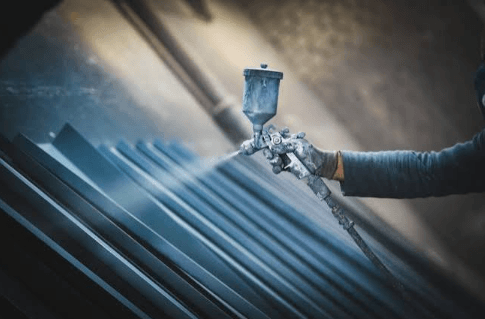
Fumed Silica Corrosion Resistance: Improving Protective Coatings for Long-Term Metal Protection

Introduction
Corrosion is one of the most serious challenges affecting metal-based structures, equipment, and industrial systems. Steel components used in construction, transportation, marine environments, and power infrastructure are continuously exposed to moisture, oxygen, chemicals, and pollutants that can accelerate surface degradation. Without effective protection, corrosion can reduce service life, increase maintenance costs, and create significant safety concerns.
Modern industries are continuously developing advanced coating technologies to improve corrosion resistance and extend the lifespan of metal assets. Among the various functional additives used in protective coatings, fumed silica has attracted attention because of its ability to improve coating structure, stability, and resistance against environmental damage.
The excellent performance associated with fumed silica corrosion resistance comes from its unique nanoscale structure, high surface area, and ability to modify coating properties. When incorporated into suitable formulations, fumed silica can strengthen protective films, improve barrier performance, and enhance the durability of anti-corrosion systems.
Understanding how fumed silica contributes to corrosion protection helps manufacturers design advanced coating solutions for demanding industrial environments.
Understanding Corrosion and Metal Protection
What Causes Corrosion?
Corrosion is an electrochemical reaction between metal surfaces and environmental elements. When metals are exposed to oxygen, moisture, salts, or chemicals, oxidation reactions begin and gradually weaken the material.
Common corrosion factors include:
- High humidity
- Saltwater exposure
- Industrial chemicals
- Temperature variations
- Atmospheric pollutants
Steel and iron are especially vulnerable because they easily form rust when exposed to oxygen and water.
Importance of Protective Coatings
Protective coatings act as a barrier between metal surfaces and corrosive environments. A successful coating system must prevent moisture penetration, maintain strong adhesion, and resist mechanical damage.
Traditional coatings provide protection, but modern industries require improved durability and longer service life. This has increased interest in advanced additives such as fumed silica.
What Is Fumed Silica?
Structure and Characteristics of Fumed Silica
Fumed silica is a high-purity silicon dioxide material produced through a flame hydrolysis process. It consists of extremely fine nanoparticles connected into a three-dimensional structure.
Its important characteristics include:
- Very high surface area
- Small particle size
- Excellent chemical stability
- Reinforcement capability
- Rheological control
- Moisture interaction properties
These characteristics allow fumed silica to influence coating performance beyond simple filling functions.
Why Is Fumed Silica Used in Protective Coatings?
In corrosion-resistant coatings, fumed silica acts as a multifunctional additive. It can improve the physical structure of coating films while also enhancing processing and application properties.
Its contribution includes:
- Better dispersion of coating components
- Improved coating density
- Enhanced mechanical strength
- Reduced moisture penetration
These improvements help create stronger protective layers.
How Fumed Silica Improves Corrosion Resistance
Enhancing Barrier Protection
A major cause of corrosion is the movement of water and oxygen through coating layers. If these elements reach the metal surface, corrosion reactions can begin.
Fumed silica improves coating structure by creating a more compact internal network. This reduces pathways through which moisture and corrosive substances can travel.
A stronger barrier layer provides better protection against environmental exposure.
Improving Coating Mechanical Strength
Protective coatings must withstand abrasion, impact, and mechanical stress during operation.
Fumed silica nanoparticles reinforce coating structures by improving interactions between coating components.
This results in improved:
- Hardness
- Scratch resistance
- Film strength
- Durability
Stronger coatings are less likely to crack or deteriorate under harsh conditions.
Increasing Coating Stability
Coating formulations often contain pigments, zinc particles, and other additives. Poor dispersion can reduce performance and create weak points.
Fumed silica improves suspension stability by preventing particle settling and maintaining uniform distribution.
This creates more consistent protective performance across the coated surface.
Improving Adhesion Performance
Strong adhesion between the coating and metal substrate is essential for corrosion protection.
A coating that separates from the surface creates exposed areas where corrosion can begin.
Fumed silica contributes to better coating integrity by improving formulation structure and supporting stronger bonding.
Role of Fumed Silica in Advanced Corrosion Protection Systems
Zinc-Rich Coatings
Zinc-rich coatings are widely used because zinc provides sacrificial protection to steel. However, their effectiveness depends on proper zinc particle distribution and coating stability.
Fumed silica improves the internal structure of zinc-rich coatings by supporting better dispersion and strengthening the protective layer.
This enhances long-term corrosion resistance.
Protective Electrical Coatings
Electrical systems often require coatings that resist moisture and environmental exposure.
Fumed silica improves coating durability and helps maintain protective performance in challenging conditions.
Industries interested in advanced protection methods can explore fumed silica corrosion resistance technologies for improving coating reliability.
Applications of Fumed Silica Enhanced Anti-Corrosion Systems
Marine Structures
Marine environments are highly aggressive because of continuous exposure to saltwater and humidity.
Ships, offshore platforms, and port structures require coatings with excellent resistance against corrosion.
Fumed silica-enhanced coatings help improve durability under these conditions.
Power Infrastructure
Electrical infrastructure often includes steel components exposed to outdoor environments.
Transmission towers, substations, and supporting structures benefit from coatings that provide long-lasting corrosion protection.
Industrial Equipment
Manufacturing equipment may experience exposure to chemicals, moisture, and mechanical stress.
Protective coatings containing fumed silica help extend equipment lifespan and reduce maintenance requirements.
Construction Projects
Bridges, pipelines, and steel buildings require reliable corrosion protection to maintain structural integrity.
Advanced coating systems help reduce repair frequency and improve long-term performance.
Factors Affecting Fumed Silica Performance in Coatings
Surface Treatment
Different fumed silica grades have different surface characteristics.
Hydrophilic and hydrophobic versions are selected depending on formulation requirements.
Hydrophobic grades are often preferred for moisture-sensitive applications because they reduce water interaction.
Dispersion Quality
Proper dispersion is essential for achieving maximum benefits.
Poor mixing can lead to particle aggregation and reduced coating performance.
Amount of Fumed Silica Added
The concentration of silica must be optimized.
Insufficient amounts may not provide noticeable improvements, while excessive amounts may affect processing behavior.
Advantages of Using Fumed Silica in Corrosion Protection
Fumed silica provides several benefits in protective coating systems:
- Improved barrier properties
- Enhanced mechanical strength
- Better coating stability
- Increased durability
- Improved resistance to environmental exposure
- Longer maintenance intervals
These advantages make it a valuable additive for advanced corrosion protection technologies.
See also: Advanced scanning tech: revolutionizing security and healthcare
Future Development of Fumed Silica-Based Coatings
The demand for durable and sustainable corrosion protection continues to grow. Researchers are developing improved coating systems that combine nanotechnology with traditional protective methods.
Future innovations may focus on:
- Self-healing coatings
- Environmentally friendly formulations
- Improved silica surface modification
- Multifunctional protective layers
As infrastructure and industrial systems continue expanding, advanced additives such as fumed silica will play an increasingly important role in corrosion prevention.
FAQs
1. How does fumed silica improve corrosion resistance?
Fumed silica improves corrosion resistance by strengthening coating structures, reducing moisture penetration, improving adhesion, and enhancing barrier protection.
2. Can fumed silica be used in zinc-rich coatings?
Yes, fumed silica can improve zinc-rich coating performance by enhancing particle distribution, stability, and protective layer durability.
3. Why is fumed silica considered a multifunctional coating additive?
Fumed silica provides multiple benefits, including thickening, reinforcement, improved dispersion, and enhanced corrosion protection.
Conclusion
Fumed silica has become an important material for improving the performance of modern corrosion-resistant coatings. Its nanoscale structure allows it to strengthen protective films, improve stability, and reduce the effects of environmental exposure.
From marine structures and power systems to industrial equipment and infrastructure, fumed silica-enhanced coatings provide reliable protection against corrosion. As industries continue searching for longer-lasting and more efficient protection technologies, the role of fumed silica corrosion resistance solutions will continue to expand.