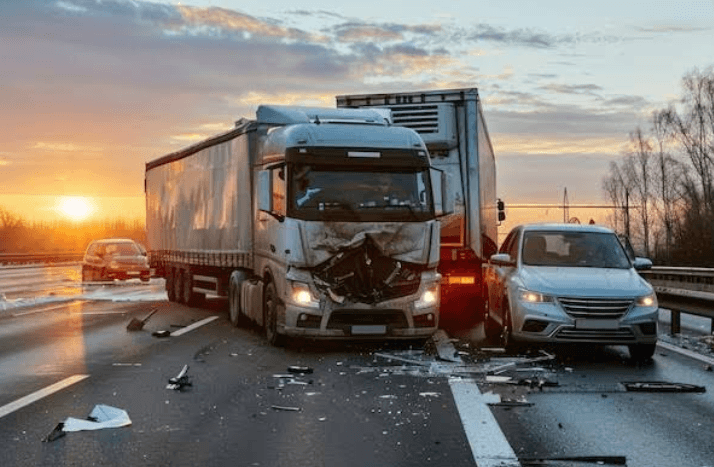
How Attorneys Identify Liable Parties After a Serious Accident

Severe accidents often begin with one visible error, yet the legal cause rarely ends there. A truck crash, construction injury, or hazardous property fall may involve several actors whose choices combined before the trauma occurred. Attorneys review that sequence carefully because early facts affect medical billing, lost income claims, policy access, and long-term case value. A thorough liability review provides injured people with a clearer path while evidence remains fresh and records remain available.
Starting With the Event Chain
The first stage is reconstruction. Attorneys study timing, motion, and control, then compare those facts with scene conditions and immediate responses. During that early review, Postman Law personal injury lawyers may examine emergency reports, photographs, witness accounts, and insurance data while asking who controlled the setting, who ignored a warning, and whether another party created the conditions that led to the violent impact. A strong timeline often exposes rushed delivery demands, missed repairs, absent barriers, or unsafe instructions.
Reviewing Every Legal Duty
Fault analysis begins with duty, because liability depends on whether someone failed to use reasonable care. Drivers must obey signals and speed limits. Owners must correct hazards or warn visitors. Carriers must inspect brakes, tires, and logs. Lawyers separate each obligation before measuring conduct against it. That method provides courts and insurers with a practical framework rather than a broad accusation with little precision.
Looking Past the First Driver
The initial police impression may point to one motorist, yet a deeper review can quickly broaden the picture. A company dispatcher may have pushed an unrealistic route. A restaurant or bar may have served a clearly impaired patron. Roadwork crews may have left a lane shift without proper signs. Those details matter because surface blame can hide business pressure, alcohol service failures, or dangerous traffic control choices.
Using Records to Test Each Story
Human memory changes after shock, pain, or sedation. Records help anchor the account. Phone data may show distraction in the seconds before impact. Engine modules can capture speed, braking force, and steering input. Repair logs may reveal a defect that recurred without correction. Medical charts connect fractures, spinal injury, internal bleeding, or head trauma with the event date. When independent sources align, disputed narratives often weaken.
Measuring Employer Responsibility
Commercial cases often require a close look at employer conduct, not just worker behavior. Attorneys ask whether the employee was acting within their assigned duties when the injury occurred. They also review hiring files, training materials, supervision records, and disciplinary history. A business may share blame if managers ignored prior safety complaints or failed to enforce basic rules. Corporate coverage and internal reporting can greatly affect the strength of a claim.
See also: A Practical Guide To Filing Injury Lawsuits
Checking Product and Vehicle Failures
Mechanical failure can change the entire theory of a case. Lawyers inspect tires, airbags, steering systems, seat restraints, trailer couplings, and braking parts for signs of malfunction. That work usually requires preservation letters and controlled handling of evidence. If a defective component causes bodily harm, responsibility may extend to a manufacturer, distributor, installer, or repair shop. Technical proof can explain injury patterns that driver conduct alone does not.
Studying Property Conditions
Premises cases turn on what the landowner knew, what should have been discovered, and whether a reasonable fix was possible. Attorneys examine lighting, flooring, drainage, handrails, security practices, and warning signs. They also review maintenance logs, tenant complaints, inspection gaps, and incident history. A store, landlord, parking operator, or venue may face exposure when a preventable hazard remains in place long enough for harm to occur.
Government Claims Need Fast Review
Public agencies sometimes share responsibility through poor road design, defective signals, neglected maintenance, or careless fleet operation. These matters require quick action because notice rules are often shorter than ordinary filing deadlines. Attorneys gather work orders, design drawings, repair history, and prior collision data early. They also evaluate immunity limits that may narrow recovery. Delay can damage an otherwise strong claim before the merits receive full review.
Conclusion
Attorneys identify liable parties by following evidence outward until the full chain of responsibility becomes clear. They compare duties, records, conduct, injury mechanisms, and financial loss before drawing conclusions about fault. That disciplined process can reveal hidden corporate pressure, dangerous property conditions, defective equipment, or public agency neglect that an early report missed. In severe cases, broad investigation protects injured people from narrow defense theories and helps courts place responsibility where proof supports it.