A Step by Step Guide to Refurbished Industrial Gas Turbine Components and How They Are Restored

Industrial gas turbines are the backbone of modern power generation, oil and gas operations, and large scale industrial facilities. These machines operate under extreme temperatures, high rotational speeds, and continuous mechanical stress. Over time, even the most advanced turbine parts experience wear, oxidation, corrosion, and thermal fatigue. Replacing every worn component with new OEM parts can be expensive and often unnecessary. This is where refurbished industrial gas turbine components provide a proven and cost effective alternative.
Refurbishment allows operators to restore critical turbine components to reliable working condition while extending service life and reducing downtime. Understanding how these parts are restored helps plant owners and maintenance teams make informed decisions about lifecycle management and long term performance.
Why Refurbishment Is Essential for Gas Turbine Operations
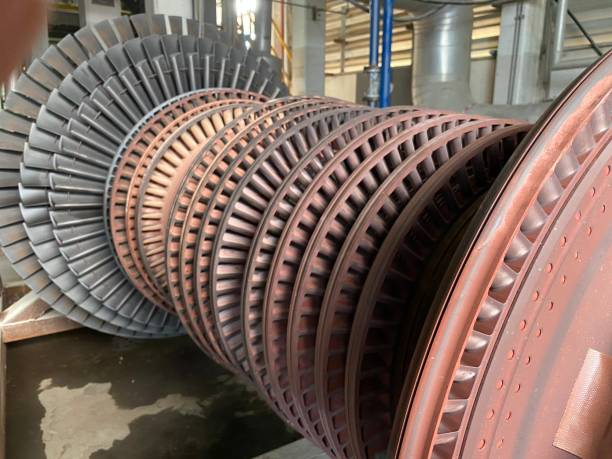
Gas turbines are engineered for durability, but no mechanical system is immune to wear. Hot section parts such as blades, vanes, combustion liners, and transition pieces are constantly exposed to high heat, pressure, and corrosive gases. Cold section parts like rotors, casings, and bearings also suffer from vibration and mechanical fatigue.
Refurbished industrial gas turbine components offer a practical way to manage these challenges by restoring existing parts rather than replacing them. This approach delivers several advantages.
- Lower capital and maintenance costs
- Reduced lead times compared to new OEM parts
- Extended operational life of high value components
- Improved availability of critical spares
- Environmental benefits through reduced waste and material usage
Step 1: Core Collection and Part Identification
The refurbishment process begins when used turbine components are removed during a scheduled outage or major inspection. These parts are collected and carefully cataloged. Each component is tagged and recorded to ensure complete traceability throughout the restoration process.
Parts commonly sent for refurbishment include.
- Turbine blades and vanes
- Combustion liners and transition pieces
- Shrouds and seals
- Rotors and shafts
- Nozzles and diaphragms
Proper identification allows technicians to determine the part type, material, service history, and expected performance requirements.
Step 2: Initial Cleaning and Decontamination
Before inspection can begin, all turbine components must be thoroughly cleaned. Gas turbine parts accumulate oil, carbon deposits, oxidation, and other contaminants that can hide cracks or surface damage.
Specialized cleaning techniques are used depending on the part and material, including.
- Chemical cleaning to remove carbon and oxidation
- Grit blasting or bead blasting for surface preparation
- Ultrasonic cleaning for precision components
This step ensures that all surfaces are visible and ready for accurate inspection.
Step 3: Non Destructive Testing and Inspection
After cleaning, refurbished industrial gas turbine components undergo detailed non destructive testing. This phase is critical because it determines whether a component can be safely restored or must be retired.
Common inspection methods include.
- Visual inspection using magnification and digital imaging
- Fluorescent penetrant inspection to detect surface cracks
- Magnetic particle testing for ferrous materials
- Radiographic and ultrasonic testing for internal flaws
These inspections identify issues such as cracking, pitting, erosion, creep damage, and fatigue. Parts that do not meet safety or structural standards are removed from the refurbishment process.
Step 4: Dimensional Analysis and Engineering Review
Approved components are then measured against OEM or engineering specifications. Precision tools and coordinate measuring machines verify.
- Wall thickness
- Airfoil profiles
- Cooling hole geometry
- Tip clearances and sealing surfaces
Engineers evaluate whether repairs can return the component to acceptable tolerances. In many cases, advanced restoration methods allow parts to exceed their original performance standards.
Step 5: Repair and Material Restoration
This is where refurbished industrial gas turbine components truly come back to life. Skilled technicians use a variety of repair techniques to restore damaged areas.
Typical repair processes include.
- Welding and brazing to rebuild cracked or worn sections
- Laser cladding or thermal spray to replace lost material
- Grinding and machining to restore precise dimensions
- Re drilling of cooling holes in turbine blades
- Surface blending to eliminate stress concentrations
Each repair is performed according to approved engineering procedures to maintain structural integrity and heat resistance.
See also: The Future of Wearable Health Tech for Chronic Disease Management
Step 6: Heat Treatment and Stress Relief
After material restoration, components often undergo heat treatment. This step relieves internal stresses introduced during welding or thermal spraying and restores the metal’s original mechanical properties.
Heat treatment improves.
- Fatigue resistance
- Creep strength
- Structural stability under high temperatures
This ensures the refurbished part will perform reliably in demanding turbine environments.
Step 7: Protective Coating Application
Gas turbine components are constantly exposed to extreme heat and corrosive exhaust gases. To protect refurbished parts, advanced coatings are applied.
These may include.
- Thermal barrier coatings to reduce metal temperature
- Oxidation resistant coatings to prevent corrosion
- Erosion resistant coatings for high velocity gas flow
Coatings are applied using precision spray techniques and cured in controlled furnaces to ensure proper adhesion and durability.
Step 8: Final Machining and Balancing
Once coatings are applied, components are machined to final dimensions. This step ensures proper fit, airflow, and aerodynamic performance.
Rotating parts such as blades and rotors are dynamically balanced to prevent vibration, which can damage bearings and reduce turbine efficiency.
Step 9: Final Inspection and Quality Control
Before refurbished industrial gas turbine components are released for service, they go through a final quality assurance process.
This includes.
- Repeat non destructive testing
- Dimensional verification
- Coating thickness and adhesion checks
- Documentation and traceability review
Only components that meet strict engineering and safety standards are approved for reinstallation.
Step 10: Packaging and Return to Service
Once approved, components are carefully packaged to prevent damage during transport. They are then shipped back to the plant or stored as ready to use spares.
When installed, refurbished components provide performance and reliability comparable to new parts, at a fraction of the cost and lead time.
Why Refurbished Gas Turbine Components Are a Smart Investment
Refurbishment is not just a maintenance strategy. It is a smart business decision. Power producers and industrial operators are under constant pressure to reduce costs, improve efficiency, and meet sustainability goals.
Refurbished industrial gas turbine components help achieve all three by.
- Reducing capital expenditure
- Shortening outage durations
- Improving equipment availability
- Supporting circular economy practices
- Minimizing material waste and emissions
With proper engineering and quality control, refurbished components can deliver multiple life cycles of dependable service.
Conclusion
Understanding how refurbished industrial gas turbine components are restored provides confidence in their performance and reliability. From cleaning and inspection to advanced repairs, coatings, and final testing, each step is designed to ensure that components meet strict operational standards.
For plant operators seeking to maximize asset life while controlling maintenance budgets, refurbishment offers a powerful solution. With the right refurbishment partner and process, turbines can continue to operate safely, efficiently, and profitably for years to come.