Ensuring Operational Safety in Industrial Electrical Systems

Industrial facilities are complex environments that rely heavily on electrical systems to maintain continuous operations. Ensuring safety within these systems is paramount because electrical failures can lead to costly downtime, severe equipment damage, and serious injuries to personnel. The implementation of protective measures such as circuit breakers, grounding systems, and emergency shut-off protocols forms the foundation of a safe industrial electrical environment. Safety protocols must align with international standards like IEC 60364 and NFPA 70E to guarantee that electrical installations meet both regulatory compliance and operational requirements.
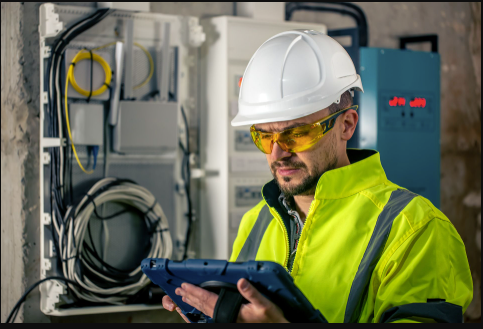
Regular inspection and maintenance are critical to preventing electrical hazards. Components such as transformers, switchgear, and wiring must be routinely tested for wear and potential faults. Predictive maintenance techniques, including thermal imaging and vibration analysis, can detect early signs of overheating, loose connections, or insulation deterioration. By integrating these practices, facilities can reduce the risk of fires, arc flashes, and electrical shocks. Proper training of staff on safety procedures, lockout-tagout systems, and emergency response is equally essential, ensuring a culture of safety across the organization.
Enhancing Reliability Through System Design
A reliable industrial electrical system is built on meticulous planning and robust design. Engineers must consider load calculations, redundancy, and future scalability when designing these systems. Redundancy ensures that even if one component fails, the system can continue functioning without interruption. This is particularly critical in industries such as manufacturing, petrochemicals, and food processing, where downtime directly translates to financial loss and operational hazards. System designs should also incorporate surge protection, voltage regulators, and uninterruptible power supplies (UPS) to maintain consistent energy quality and prevent damage to sensitive equipment.
Modern industrial facilities are increasingly adopting smart monitoring systems to enhance reliability. These systems allow operators to track energy consumption, detect anomalies, and respond to potential failures in real time. The use of automation and intelligent control systems further increases reliability by reducing human error and ensuring precise management of electrical loads. Designing for reliability is not just about selecting high-quality components; it also involves strategic layout planning, proper labeling, and maintaining clear access to electrical panels for maintenance and inspection.
Compliance with Standards and Regulations
Compliance with industry standards and local regulations is a cornerstone of safe and Industrial Plugs and Sockets. Standards such as the National Electrical Code (NEC), IEC standards, and OSHA regulations provide guidelines to ensure that installations are safe, durable, and fit for purpose. Adherence to these standards mitigates the risk of accidents, legal liabilities, and equipment failures. Industrial facilities must maintain documentation, schematics, and testing records to demonstrate compliance and facilitate audits by regulatory bodies.
Regulatory compliance also involves ongoing staff training and certification. Electrical personnel should possess the necessary qualifications for handling high-voltage systems, conducting maintenance, and performing emergency interventions. Compliance goes beyond the technical installation; it includes creating a safety-oriented workplace culture, implementing regular risk assessments, and staying updated with revisions to safety codes. By rigorously following standards and regulations, industries can achieve both safety and reliability, enhancing operational efficiency and stakeholder confidence.
See also:The Future of Wearable Health Tech for Chronic Disease Management
Implementing Preventive and Predictive Maintenance
Preventive and predictive maintenance strategies are essential for sustaining the performance of industrial electrical systems. Preventive maintenance involves scheduled inspections, cleaning, and part replacements to prevent equipment failure before it occurs. Predictive maintenance uses data-driven techniques such as thermal imaging, infrared sensors, and smart monitoring tools to identify anomalies that may indicate impending failures. Together, these strategies minimize unplanned downtime, reduce repair costs, and extend the lifespan of critical equipment.
Electrical systems in industrial environments are subject to harsh conditions, including high temperatures, dust, moisture, and vibrations. Maintenance protocols must address these environmental challenges by incorporating robust insulation, protective enclosures, and climate-controlled cabinets. A well-structured maintenance program not only improves system reliability but also ensures that safety mechanisms are always operational. When combined with staff training, emergency drills, and a proactive safety culture, preventive and predictive maintenance becomes a powerful tool for achieving uninterrupted industrial operations.
Advancements in Industrial Electrical Safety Technology
Technological advancements continue to elevate the standards of safety and reliability in industrial electrical systems. Modern innovations include advanced circuit protection, IoT-enabled monitoring, smart relays, and energy management systems. These technologies allow real-time monitoring, automated alerts, and predictive analytics, enabling facilities to respond swiftly to electrical anomalies and potential hazards. Smart sensors can detect overheating, overcurrent, and insulation breakdown, preventing equipment damage and reducing the risk of accidents.
Integration of digital twin technology and AI-driven predictive maintenance is also revolutionizing industrial electrical systems. By simulating electrical networks in a virtual environment, engineers can analyze system behavior under different scenarios, plan upgrades, and mitigate risks before implementing changes in the physical system. These innovations contribute to both operational efficiency and personnel safety. Facilities adopting these cutting-edge technologies benefit from enhanced reliability, reduced downtime, and lower long-term maintenance costs, demonstrating that investing in advanced electrical safety systems is both a practical and strategic decision.