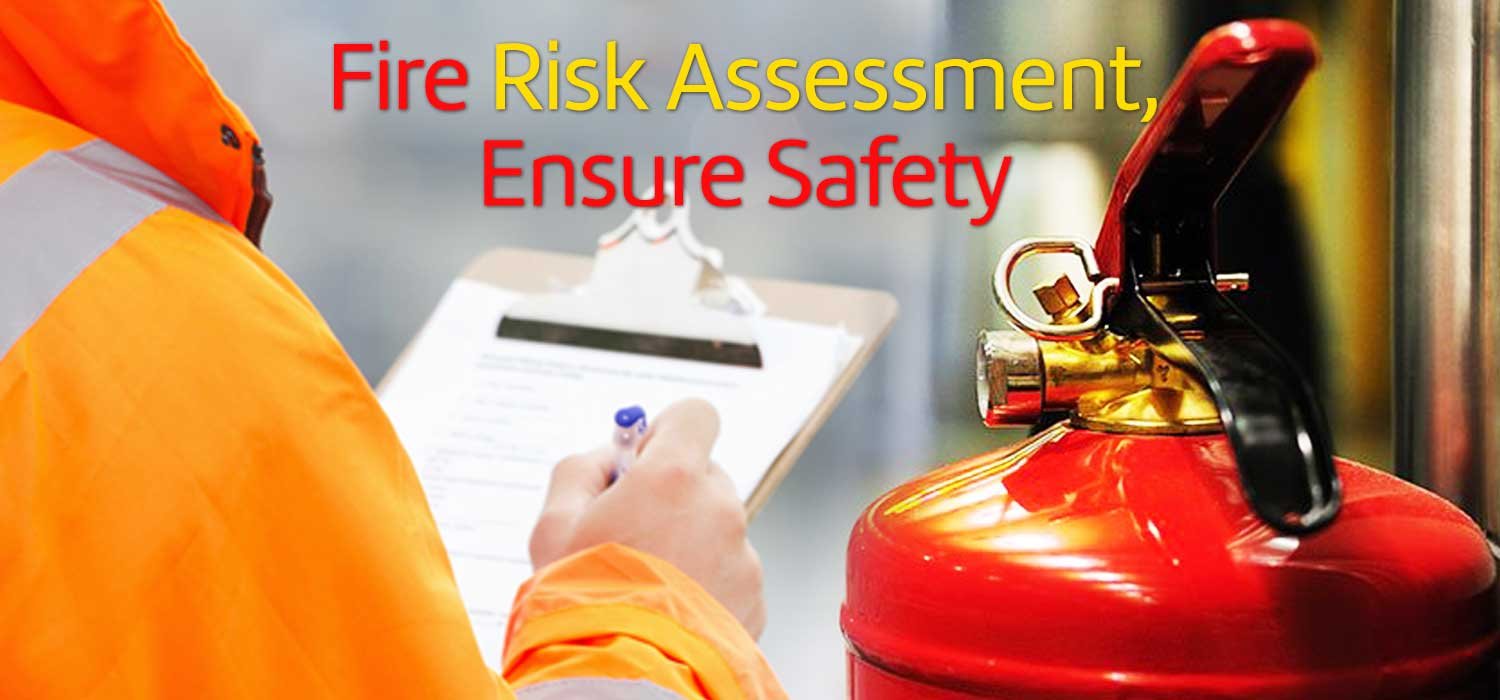
Fire Risk Assessment: Ensuring Compliance and Safety

Introduction to Fire Risk Assessment
Fire safety is a fundamental responsibility for organizations, property owners, and employers. Fire Risk Assessment plays a vital role in identifying potential fire hazards and implementing measures that protect people, property, and business operations. Fire Risk Assessment: Ensuring Compliance and Safety focuses on meeting legal requirements while creating a safer environment through proactive risk management. A structured approach to fire safety helps prevent incidents and ensures preparedness for emergencies.
Understanding Fire Risk Assessment
Fire Risk Assessment is a systematic process used to identify fire hazards, evaluate risks, and determine appropriate control measures. It involves examining sources of ignition, flammable materials, and how a fire could spread within a building. The assessment also considers the people who may be affected and the effectiveness of existing fire safety measures.
The primary objective is to reduce fire risks to an acceptable level and ensure safe evacuation in case of an emergency.
Importance of Compliance in Fire Risk Assessment
Compliance with fire safety laws and regulations is essential for all organizations. Fire Risk Assessment ensures that buildings meet required safety standards and legal obligations. Failure to comply can result in penalties, legal action, or closure of premises.
Beyond legal requirements, compliance demonstrates a commitment to safety and responsibility. It reassures employees, residents, customers, and visitors that fire risks are being properly managed.
See also: Enhance Your Home with Roof Windows from Trusted UK Suppliers
Key Steps in Conducting Fire Risk Assessment
The fire risk assessment process begins with identifying potential fire hazards such as electrical equipment, heating systems, and flammable substances. The next step is identifying people at risk, including employees, visitors, and individuals with special needs.
Existing fire safety measures such as fire alarms, extinguishers, emergency lighting, and escape routes are then evaluated. The final step involves documenting findings, implementing risk reduction measures, and regularly reviewing the assessment to ensure continued effectiveness.
Fire Safety Measures to Ensure Compliance
To ensure compliance and safety, organizations must implement appropriate fire safety measures. These include installing and maintaining fire detection and alarm systems, providing suitable fire-fighting equipment, and ensuring clear and accessible evacuation routes.
Fire doors, emergency lighting, and clear signage help protect escape routes and guide occupants during emergencies. Regular inspections and maintenance ensure these systems remain effective.
Role of Training and Awareness
Training and awareness are critical components of fire safety compliance. Employees should receive fire safety training that covers fire prevention, emergency procedures, and evacuation plans. Regular fire drills help reinforce training and ensure a calm response during emergencies.
Clear communication and visible safety instructions improve overall awareness and reduce the risk of human error.
Regular Review and Continuous Improvement
Fire Risk Assessment is not a one-time task. Changes in building layout, occupancy, equipment, or regulations can introduce new fire risks. Regular reviews ensure that fire safety measures remain effective and compliant with current standards.
Continuous improvement helps organizations adapt to change and maintain a high level of fire safety over time.
Benefits of Fire Risk Assessment for Safety and Compliance
Effective fire risk assessment offers multiple benefits. It enhances safety, reduces the likelihood of fire incidents, and ensures compliance with legal and insurance requirements. Organizations benefit from reduced downtime, lower repair costs, and improved reputation.
Most importantly, it protects lives by preventing fires and enabling a safe response during emergencies.
Conclusion
Fire Risk Assessment: Ensuring Compliance and Safety highlights the importance of proactive fire safety management. By identifying hazards, implementing effective control measures, and maintaining compliance with regulations, organizations can create safer environments for everyone. Regular assessment, training, and review ensure long-term protection, legal compliance, and peace of mind.