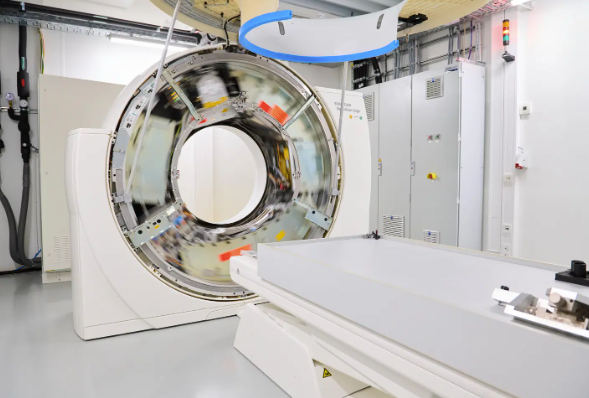
How X-Ray Tube Power Supply Innovation Supports Next-Generation Imaging

Advancements in imaging technologies are reshaping industries that depend on precision, from healthcare diagnostics to industrial inspection. At the core of this evolution lies a critical yet often overlooked component: the X-ray tube power supply. Far from being a simple electrical unit, it is a highly engineered system that governs stability, accuracy, and overall performance.
As imaging systems become more sophisticated, expectations for clarity, speed, and reliability continue to rise. This shift has driven innovation in power supply design, enabling better control over voltage, reduced system noise, and enhanced operational efficiency. These improvements directly translate into sharper imaging outputs and more dependable results across applications.
Understanding how modern power supply innovations contribute to next-generation imaging provides valuable insight for organizations seeking to enhance system performance. It also highlights the growing importance of engineering precision in supporting technologies that operate behind the scenes yet define the quality of outcomes.
Precision Voltage Regulation as the Core of Imaging Accuracy
In next-generation imaging systems, precision begins with the ability to regulate voltage with absolute consistency, forming the foundation for accurate and reliable image output.
- Stable Output Control: Modern systems are engineered to maintain highly consistent voltage levels, ensuring that imaging processes remain uninterrupted and accurate. This stability minimizes fluctuations that could distort imaging results or reduce clarity.
- Low Ripple Performance: Advanced designs focus on reducing electrical ripple, which directly affects image sharpness. Lower ripple levels help produce cleaner images with improved contrast and reduced noise interference.
- Real-Time Feedback Mechanisms: Integrated monitoring systems continuously adjust output parameters based on operational demands. This real-time correction ensures that the system adapts instantly to changing loads.
- Enhanced Calibration Capabilities: Precision calibration allows the system to maintain consistent performance across repeated operations. This is especially critical in environments where repeatability defines quality.
- Optimized Energy Delivery: Efficient energy transfer ensures that the imaging process receives the exact power required without excess strain on components, improving both performance and longevity.
Advanced Thermal Management for Continuous Performance
Sustained imaging performance depends heavily on how efficiently a system manages heat, making thermal control a critical factor in modern power supply innovation.
- Heat Dissipation Efficiency: Modern designs incorporate materials and structures that effectively dissipate heat, preventing performance degradation during extended use.
- Temperature Monitoring Systems: Built-in sensors track temperature variations and adjust operations accordingly, ensuring safe and stable functioning under demanding conditions.
- Compact Cooling Architectures: Innovative cooling solutions allow systems to remain compact while maintaining high performance, making them suitable for space-constrained environments.
- Reduced Component Stress: By managing thermal loads effectively, the system minimizes wear on internal components, leading to longer operational life and reduced maintenance needs.
- Consistency Under High Load Conditions: Thermal stability ensures that performance remains reliable even during prolonged or high-intensity imaging sessions, supporting uninterrupted workflows.
Digital Integration and Smart Control Systems
As imaging technologies evolve, the integration of digital intelligence into power systems is redefining how performance, monitoring, and control are achieved.
- Programmable Output Settings: Modern systems allow precise control over voltage and current through programmable interfaces, enabling customization based on specific imaging requirements.
- Data-Driven Performance Monitoring: Digital interfaces provide detailed insights into system performance, allowing operators to track efficiency and identify potential issues early.
- Remote Accessibility and Control: Advanced connectivity enables remote monitoring and adjustments, improving operational flexibility and reducing downtime.
- Integration with Imaging Software: Seamless compatibility with imaging platforms enhances synchronization, ensuring that power delivery aligns perfectly with system operations.
- Automation for Operational Efficiency: Automated control mechanisms reduce manual intervention, streamlining processes and improving overall system reliability.
See also: Strengthening Healthcare Policy Management With Operational Support Experts
Expanding Applications Through Design Innovation
Innovative design approaches are enabling power supply systems to extend beyond traditional use cases, supporting a broader spectrum of advanced imaging applications.
- Adaptability Across Industries: The modern X-ray tube power supply supports diverse applications, from medical diagnostics to industrial inspection and security screening, reflecting its versatile design.
- Support for High-Resolution Imaging: Improved power control enables higher resolution outputs, meeting the growing demand for detailed and accurate imaging results.
- Compatibility with Emerging Technologies: Innovations ensure compatibility with evolving imaging systems, allowing seamless integration into next-generation platforms.
- Enhanced Portability Options: Compact and lightweight designs are making advanced imaging systems more portable, expanding their usability in field applications.
- Scalability for Complex Systems: Flexible architectures allow these systems to scale with increasing technological demands, supporting both small and large-scale implementations.
Engineering Reliability for Long-Term Value
Long-term operational success in imaging systems is rooted in reliability, where robust engineering ensures consistent performance under demanding conditions.
- Robust Component Design: High-quality materials and precision engineering contribute to durable systems capable of withstanding demanding operational conditions.
- Built-In Safety Mechanisms: Advanced safety features protect both equipment and operators, ensuring secure performance in high-voltage environments.
- Reduced Maintenance Requirements: Efficient design minimizes the need for frequent servicing, lowering operational costs over time.
- Consistency Across Operational Cycles: Reliable performance ensures that systems deliver uniform results across repeated usage, which is essential for critical applications.
- Long-Term Operational Efficiency: Sustained performance over extended periods enhances return on investment, making these systems a strategic asset for organizations.
Conclusion
Innovation in imaging technology is not solely defined by visible advancements in detectors or software. It is equally driven by the evolution of foundational components that ensure consistent and precise operation. The X-ray tube power supply exemplifies this principle, acting as a cornerstone for accuracy, efficiency, and reliability in modern systems. As industries continue to demand higher levels of performance and reliability, investing in advanced power supply solutions from trusted high-voltage power supply manufacturers becomes a strategic necessity.
For those aiming to align with cutting-edge innovation and dependable engineering, exploring solutions from VJ X-Ray presents a strategic pathway toward achieving excellence in next-generation imaging systems. With a strong focus on precision, performance consistency, and advanced power supply design, their offerings support evolving industry demands. This approach not only enhances imaging accuracy but also ensures long-term operational reliability, making it a valuable investment for performance-driven applications.