
What It Feels Like to Complete the Mount Kailash Kora: A Pilgrim’s Journey

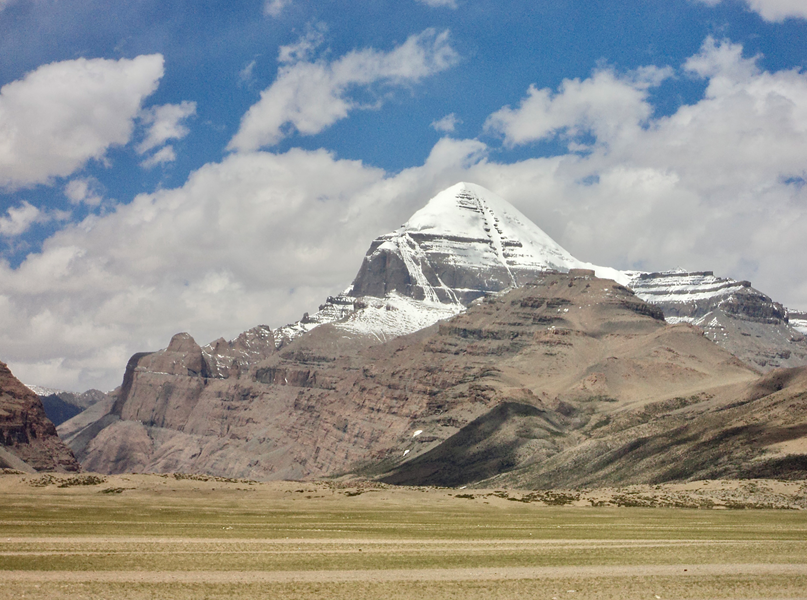
Mount Kailash, which is situated in the remote area in the west of Tibet, is regarded as one of the most sacred mountains in the world. Revered by Hindus, Buddhists, Jains and Bonpo followers, it is supposed to be home to gods and the spiritual centre of the universe. For thousands of years pilgrims carried out the KailashKora a circumambulation around the mountain as a way to spiritual purification, inner peace and blessing.
The Mount KailashKora is both a physically demanding and deeply personal, emotional experience. It has been described by pilgrims as a transformative and humbling and enlightening experience. This blog takes a look at what it feels like to do the Kora, with insight into the spiritual, cultural, and physical elements of this sacred journey.
Understanding the Mount Kailash Kora
The Mount Kailash Kora is a circular trek of about 52 kilometers that surrounds the Mount Kailash at an altitude between 4600 and 5600 meters. The journey usually takes three days to complete, although some pilgrims take longer based on pace, the weather, and personal practice.
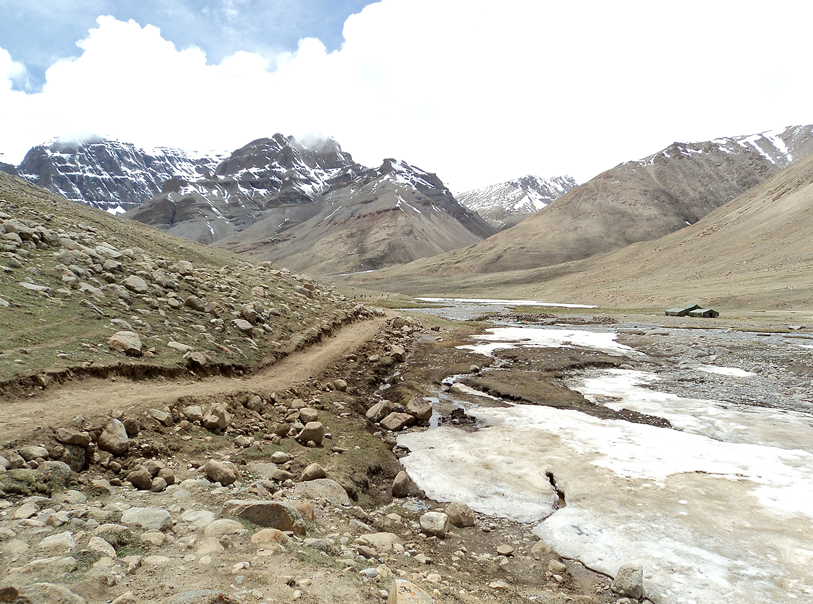
The journey is difficult and entails rough terrain, steep climbs, elevated passes, and unpredictable weather. The pilgrims also walk clockwise and this is said to be good omen considering the Hindu, Buddhist and Bonpo traditions. In between, a lot of them go on ritual circumambulations, prostrations, and prayers at holy places, and thus every step is a form of spiritual practice.
The Kora is not a race but a pilgrimage, offering time for reflection, mindfulness, and spiritual growth. It is the chance to look inward, be mindful, and reach the depth of the landscape and the spiritual energy of the mountain. The pilgrims usually refer to the Kora as a voyage that puts the body to the test but lifts the spirit.
The Spiritual Significance
To most people, the Kora is a means of purification, spiritual merit and inner development. Hindus think that going around the mountain Kailash cleanses sins and brings blessings, and Buddhists think that this is a way of amassing merit and meditating.
The trip is surrounded with symbolism. Passing through the barriers, crossing streams, moving on extensive distances on the rocky grounds are symbolic of breaking down barriers to living and renouncing worldly affections. Pilgrims also pause to meditate and recite mantras and unite with the divine on their path, frequently referring to the moments of calmness and wonder at the expansive sacred terrain.
There is also a strong sense of humility and reverence that Pilgrims experience when standing at the base of the mountain or viewing the snow-caps of the peaks in the distance along the trail. The completion of the Kora is regarded as a transformative life experience that offers clarity and peace in spiritual life and a new sense of purpose.
Get detail: https://www.exploreinnepal.com/mount-kailash-tour-from-nepal/
The Physical Journey
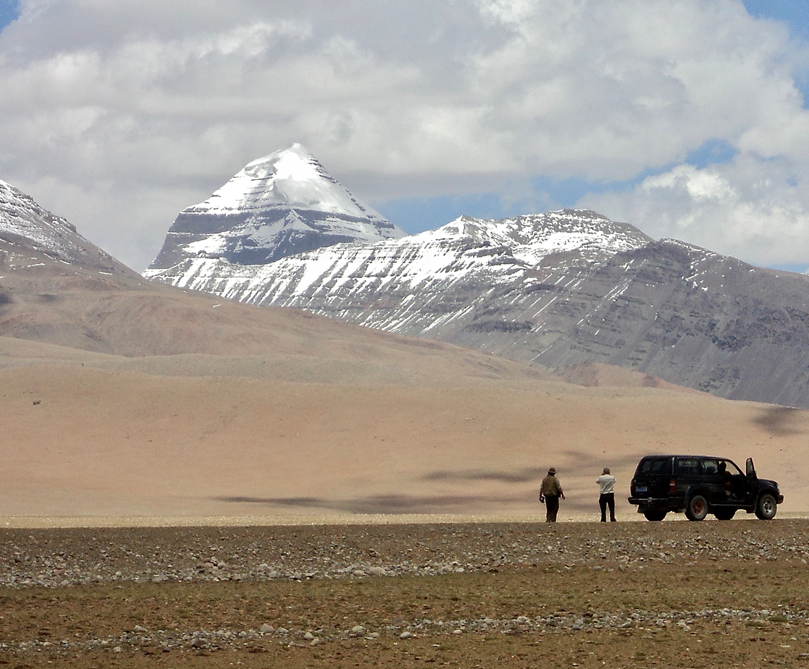
The Kora is physically strenuous, requiring endurance, strength, and careful pacing. Pilgrims must contend with thin air, high altitude, and steep terrain. Long trekking days, cold nights, and exposure to wind and sun can be exhausting, especially for firspecially for first-time visitors.
Despite these problems, many describe the physical exertion as part of the transformative power of the pilgrimage. Every step is a struggle, much like life itself, teaching patience, endurance, and persistence. It is important technique to walk slowly, to have frequent rest and to notice the breathing to end the trek without any trouble.
Pilgrims commonly report that completing the Kora gives them a great feeling of accomplishment and confidence in their physical and mental abilities. The combination of exertion with spiritual reflection gives the journey added meaning.
See also: Energy Drink Shop Online for Lemon 12 Pack Convenience
Emotional and Mental Experiences
The emotional component of the Kora can be just as significant as the physical difficulty of the Kora. Mount Kailash inspires the feeling of awe, humility, and reverence to many pilgrims. Others experience quiet contemplation, weep or are profoundly thankful in the presence of the grandeur of the landscape.
The trip also provides insight and vision. The day after day of walking, not being distracted by all the troubles of the modern world, makes the pilgrims reconsider personal priorities, relations and aims of life. It is possible to be mindful and self-aware through the movement of walking, chanting, and viewing nature.
Many feel that the Kora has brought them a long-term feeling of emotional harmony and inner peace and spiritual satisfaction and fulfillment, long beyond the pilgrimage has ended.
Cultural ExperiencesAcross the Kora
While the Kora is primarily a spiritual journey, it also offers rich cultural experiences along the way. Pilgrims go through remote Tibetan villages, ancient monasteries and local settlements where ancient traditions are still present.
The pilgrims are welcomed with open arms by monasteries along the way and most of the time they offer tea, blessings and direction.Prayer flags, chortens, and mani walls dot the trail, and sacred caves dot spots for meditation and reflection. It is possible to acquire experience in the spiritual life of the Tibetans by watching the local traditions, taking part in rituals or communicating with monks.
Every village and shrine contributes to the richness of the pilgrimage and creates a journey that nourishes the soul as well as the mind and provides an authentic cultural experience.
Highlights of the Pilgrimage
- The Dolma La Pass: The highest point of the Kora at 5650 meters with breathtaking panoramic views of Mount Kailash and other peaks that surround it.
- The pilgrims of Sacred Rivers and Lakes are crossed by sacred rivers and glacial streams, which are supposed to be of a spiritual significance.
- Interactions with Monks and Pilgrims – Sharing prayers and experiences with one’s fellow travelers from all over the world results in a better spiritual connection and sense of community.
All these instances contribute to the sense of reverence and connection with otherworldly entities that surround the experience of a Mount KailashKora.
Overcoming Challenges
The high altitude may cause headache, fatigue or shortness of breath. The trek is physically strenuous due to cold weather, wind, and rough terrain.
The most important are preparation, pacing and mindfulness. Slow walking, keeping a drink with one, having regular rest breaks are helpful in letting the body adapt to the altitude. It is also necessary to be psychologically prepared. Pilgrims can overcome physical and emotional challenges with patience, meditation, and a positive attitude.
To most of them, conquering these challenges is a significant part of the relevance of the pilgrimage. The challenges that people face in the trek could usually turn out to be a source of pride, humility and spiritual insight.
What Completion Feels Like
Reaching the end of the Kora is humbling and inspiring. A feeling of relief, happiness and feeling of spiritual satisfaction has been frequently described by pilgrims. It is an achievement of enormous proportions when the journey with all the physical and emotional challenges is overcome.
The feeling of clarity, of inner peace and a new sense of purpose is felt by many pilgrims. The accomplishment of the Kora is usually counted as an accomplishment in one spiritual life. The experience creates an indelible impression, provoking reflection, gratitude and improved understanding of one’s self and the universe.
Tips for First-Time Pilgrims
- Prepare physically with trekking practice and moderate endurance training
- Dress in layers and bring suitable equipment for exposure to the cold, wind, and sun
- Take time to acclimatize and walk slowly on high altitudes
Respecting native customs, performing rituals sincerely and remaining humble helps to improve spiritual experience. A journal or a camera will assist pilgrims to capture their minds, holy places and stunning views and make a permanent mark on this trip.
Final Thoughts
The Mount KailashKora is not just any pilgrimage. It is not only physically challenging but also spiritually enriching, culturally absorbing and emotionally revealing. It takes patience, endurance and awareness to walk every step around the sacred mountain.
The Kora is done to give the pilgrims a feeling of achievement, peace of mind, and a great spiritual bond. It is a process that goes through the body, mind and soul and lifetime lessons and memories.
The Mount KailashKora is a pilgrimage that transcends ordinary travel to anyone wanting to have adventure, culture as well as spiritual satisfaction. Each step is a revelation, each sight is something to be marveled at and each moment is a fragment in a holy pilgrimage that is to be remembered forever.