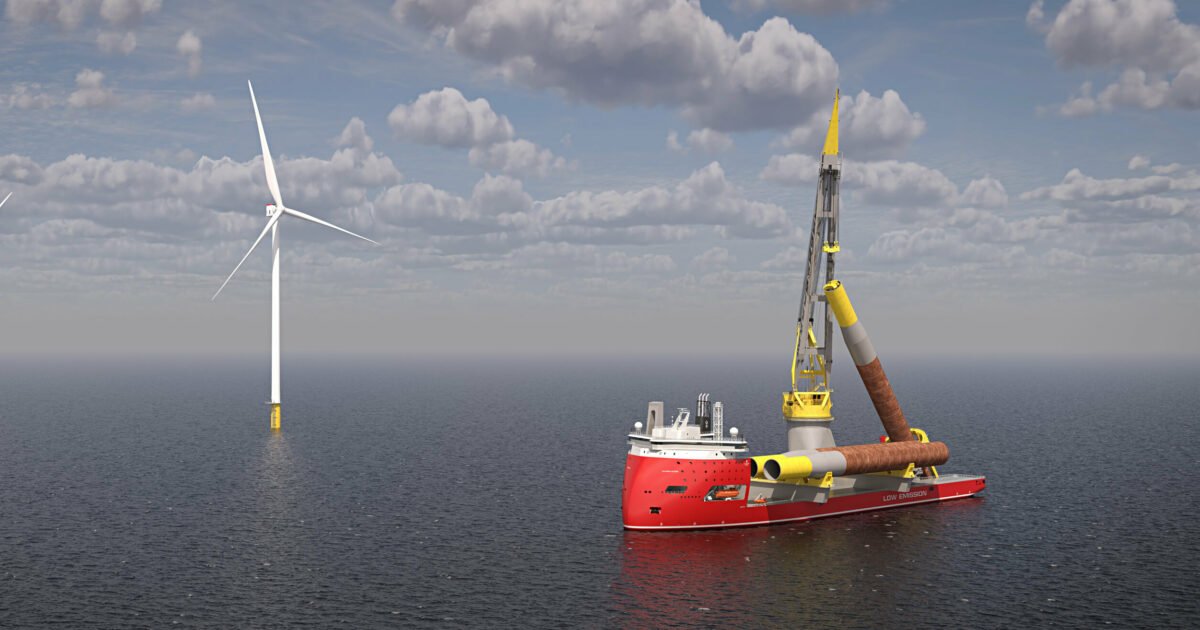
How Offshore Wind Expansion Is Driving SOV Vessel Growth

The rapid growth of offshore wind energy is transforming the global maritime industry, and one of the biggest beneficiaries of this shift is the sov vessel market. As countries invest heavily in renewable energy projects to reduce carbon emissions and meet sustainability targets, offshore wind farms are expanding across Europe, Asia, and North America. This surge in offshore wind development has created a strong demand for specialized support ships that can safely transport technicians, equipment, and supplies to offshore installations.
A sov vessel plays a crucial role in maintaining offshore wind farms by providing accommodation, logistics support, and safe offshore access for maintenance crews. Unlike traditional service ships, these vessels are specifically designed to operate in harsh marine environments while supporting long-term wind farm operations. As offshore wind projects move farther from shore and increase in scale, the importance of advanced SOVs continues to rise.
In this article, we will explore how offshore wind expansion is driving the growth of the sov vessel industry, the technologies shaping these vessels, and the future opportunities in this rapidly evolving sector.
The Growing Offshore Wind Industry and Its Impact on the SOV Vessel Market
The offshore wind industry has experienced exceptional growth over the last decade. Governments worldwide are investing billions of dollars into renewable energy infrastructure, with offshore wind farms becoming a central component of clean energy strategies. Countries such as the United Kingdom, Germany, China, Denmark, and the United States are rapidly increasing offshore wind capacity to reduce dependence on fossil fuels and achieve carbon neutrality goals.
As offshore wind farms become larger and more distant from coastlines, operational challenges increase significantly. Technicians and engineers need reliable transportation and offshore accommodation to perform maintenance, inspections, and repairs efficiently. This is where the sov vessel becomes essential. These vessels are designed to remain at sea for extended periods while serving as floating operational bases for wind farm crews.
Modern offshore wind farms contain hundreds of turbines spread across vast ocean areas. Continuous maintenance is critical because even minor equipment failures can lead to major energy production losses. An SOV ensures technicians can access turbines safely and quickly, regardless of weather conditions. Most modern vessels are equipped with motion-compensated gangways, allowing safe personnel transfer from the vessel to turbine structures even in rough seas.
Another factor driving the sov vessel market is the shift toward deeper-water wind farms. Fixed-bottom turbines are increasingly being replaced or supplemented by floating offshore wind systems located farther offshore. These remote projects require vessels with advanced endurance, dynamic positioning systems, and onboard accommodations for large crews. As a result, shipbuilders are investing heavily in advanced vessel designs optimized for renewable energy operations.
The offshore wind sector is also creating long-term employment opportunities for maritime professionals. Operators need highly skilled crews, marine engineers, vessel managers, and offshore technicians to support wind energy projects. This sustained demand further strengthens the growth potential of the SOV industry.
Moreover, offshore wind operators prioritize operational efficiency and reduced downtime. Since maintenance windows are often limited by weather conditions, using a specialized sov vessel helps maximize productivity by ensuring technicians remain close to offshore installations at all times. This operational advantage has made SOVs indispensable in modern offshore wind logistics.
Key Features and Technologies Powering Modern SOV Vessel Operations
The increasing complexity of offshore wind projects has led to major technological advancements in the sov vessel sector. Today’s SOVs are far more advanced than traditional offshore support vessels because they are specifically engineered to meet the demanding needs of renewable energy operations.
One of the most important technologies found on a modern SOV is the dynamic positioning system. This advanced navigation technology allows the vessel to maintain a stable position automatically, even during strong winds and rough sea conditions. Dynamic positioning is essential for safe technician transfers and precise offshore operations. Without it, maintaining stability near turbine structures would be extremely difficult.
Motion-compensated gangways are another defining feature of a modern sov vessel. These systems use sensors and hydraulic technology to adjust for vessel movement in real time, enabling technicians to walk safely between the vessel and offshore turbines. This innovation has dramatically improved offshore safety standards and increased maintenance efficiency.
Accommodation capabilities are equally important. Most SOVs are equipped with hotel-style living quarters, recreational areas, dining facilities, and medical support systems. Since technicians often spend weeks offshore, comfortable living conditions help improve workforce productivity and morale. Some large SOVs can accommodate over 100 personnel at a time, functioning as fully operational floating bases.
Environmental sustainability is also shaping vessel design trends. Many modern SOVs are being built with hybrid propulsion systems, battery technology, and energy-efficient engines to reduce emissions. Since offshore wind projects are centered around clean energy production, operators increasingly prefer environmentally friendly support vessels. Hybrid-powered SOVs can lower fuel consumption, reduce operating costs, and minimize environmental impact.
Digitalization is another major trend influencing the sov vessel industry. Advanced monitoring systems, predictive maintenance tools, and real-time data analytics are helping vessel operators improve efficiency and safety. Smart onboard systems can monitor fuel consumption, engine performance, weather conditions, and operational workflows, allowing operators to make better decisions and reduce downtime.
Automation is expected to play an even larger role in the future. Some shipbuilders are already exploring autonomous navigation technologies and remote vessel monitoring systems. These innovations could significantly reduce operational costs while improving safety in offshore environments.
The demand for larger and more capable SOVs is also increasing because offshore wind farms continue to expand in size and distance from shore. Vessel operators are focusing on designs with greater endurance, higher crew capacity, and improved offshore performance to support the next generation of renewable energy projects.
Read Also: Advanced scanning tech: revolutionizing security and healthcare
Future Opportunities and Challenges in the SOV Vessel Industry
The future of the sov vessel market looks extremely promising as offshore wind development accelerates globally. Analysts predict that offshore wind capacity will continue growing rapidly over the next two decades, creating sustained demand for specialized maritime support services. This growth is expected to generate major opportunities for shipbuilders, vessel operators, and offshore logistics companies.
Europe currently leads the offshore wind market, but Asia and North America are emerging as major growth regions. China is aggressively expanding its offshore wind infrastructure, while the United States is investing heavily in projects along the Atlantic coast. These developments are increasing the need for regional SOV fleets capable of supporting local offshore operations.
Floating wind farms represent another major opportunity for the sov vessel sector. Unlike traditional offshore wind farms, floating turbines are installed in much deeper waters farther from land. Supporting these remote projects will require highly advanced vessels with greater endurance, enhanced safety systems, and long-term operational capabilities. This trend is likely to drive innovation in vessel design and technology.
However, the industry also faces several challenges. Building and operating an SOV involves significant capital investment. Advanced technologies such as hybrid propulsion systems, dynamic positioning, and motion-compensated gangways can substantially increase construction costs. Shipowners must balance technological innovation with financial sustainability.
Crew training is another important challenge. Operating a modern sov vessel requires highly skilled personnel familiar with offshore wind operations, advanced navigation systems, and safety protocols. As demand for SOVs rises, the maritime industry may face workforce shortages unless training programs expand accordingly.
Weather conditions also remain a major operational concern. Offshore wind farms are often located in harsh marine environments where storms and rough seas can disrupt maintenance schedules. Vessel operators must continuously invest in technologies that improve stability, safety, and operational reliability.
Competition within the market is intensifying as more companies enter the offshore renewable energy sector. Shipyards are racing to develop more efficient, environmentally friendly, and technologically advanced vessels to meet evolving client demands. Companies that successfully combine sustainability, operational efficiency, and advanced engineering will likely dominate the future SOV market.
Despite these challenges, the long-term outlook remains highly positive. The global transition toward renewable energy is expected to continue for decades, ensuring a strong and sustainable demand for specialized offshore support vessels.
FAQs About SOV Vessel Growth and Offshore Wind Expansion
What is an SOV vessel?
A sov vessel (Service Operation Vessel) is a specialized offshore support ship designed to transport technicians, equipment, and supplies to offshore wind farms while also providing onboard accommodation and operational support.
Why are SOV vessels important for offshore wind farms?
SOVs help ensure efficient maintenance and operation of offshore wind turbines. They allow technicians to remain offshore for extended periods, reducing travel time and improving operational efficiency.
How does offshore wind expansion increase demand for SOV vessels?
As offshore wind farms become larger and move farther offshore, operators require advanced vessels capable of supporting long-term maintenance operations in remote marine environments.
What technologies are commonly used on modern SOV vessels?
Modern SOVs typically include dynamic positioning systems, motion-compensated gangways, hybrid propulsion systems, advanced navigation technology, and digital monitoring tools.
Are SOV vessels environmentally friendly?
Many newer SOVs use hybrid engines, battery systems, and energy-efficient technologies to reduce emissions and align with the sustainability goals of the offshore wind industry.
Which regions are driving the growth of the SOV vessel market?
Europe currently leads the market, but Asia and North America are experiencing rapid offshore wind expansion and increasing demand for SOV services.
Conclusion
The rapid expansion of offshore wind energy is fundamentally transforming the maritime support industry, and the sov vessel market is at the center of this transformation. As offshore wind farms grow larger, move farther offshore, and adopt more advanced technologies, the demand for highly specialized support vessels continues to increase.
Modern SOVs are no longer simple transport ships. They have evolved into technologically advanced floating operational hubs capable of supporting complex renewable energy projects in some of the world’s harshest marine environments. Features such as dynamic positioning, motion-compensated gangways, hybrid propulsion systems, and digital monitoring tools have made these vessels indispensable to offshore wind operations.
Although the industry faces challenges such as high construction costs, workforce training needs, and harsh operating conditions, the long-term growth outlook remains extremely strong. The global push toward renewable energy and carbon reduction targets will continue driving investments in offshore wind infrastructure for years to come.
As a result, the sov vessel sector is expected to play a vital role in supporting the future of clean energy and sustainable offshore operations worldwide.