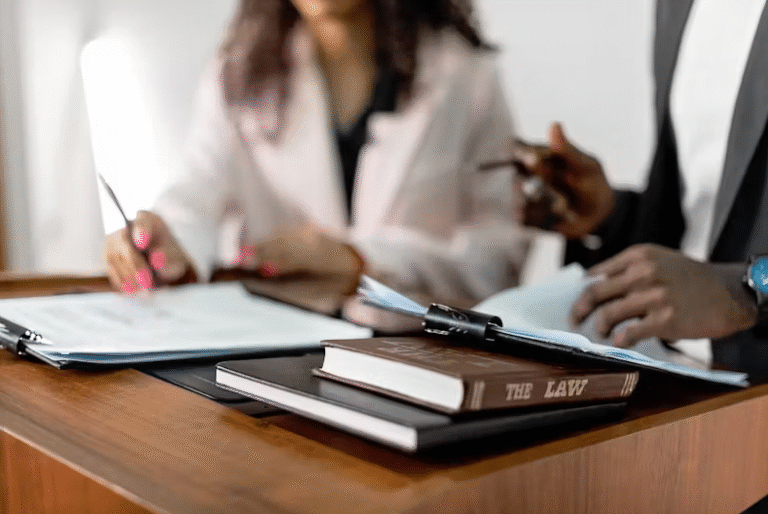
Can You Get Reliable Legal Guidance Without an In-Person Meeting

Reliable legal guidance does not depend on sharing a conference table. Quality turns on the lawyer’s license, case fit, preparation, and follow-up. A phone call or video session can cover those basics well. For many injury, employment, family, or contract questions, a remote meeting provides clients with prompt guidance without travel. Still, distance has limits. Court filings, disputed facts, and severe injuries may call for deeper review or a later office visit.
What Reliability Looks Like
Reliable advice means clear issue spotting, honest limits, and a plan for next steps. It also means conflict checks, fee clarity, and written follow-up. Thomson Reuters reported in 2024 that 36 percent of legal clients ranked communication as the top practice factor. That finding fits remote work well, because good lawyers explain facts, risk, and timing clearly.
Remote Screening Before Contact
Many firms now share intake forms, case updates, and records through secure portals before a call begins. A FindLaw profile, such as this website, can help people confirm practice focus, office location, and contact details before speaking with staff. That screening step matters because trust begins before legal advice.
Good Fits for Distance
Early case screening often works well over the phone or via video. A lawyer can hear the timeline, review photos, and identify urgent deadlines. Many personal injury matters begin with records, bills, insurance details, and witness names, which transfer well online. That makes remote guidance practical during the first stage, especially after a crash or sudden fall.
When Offices Still Matter
Some matters benefit from face-to-face contact. Severe injuries may affect speech, memory, or stamina, which can make a longer office visit more useful. Physical evidence may also need inspection. If a client needs help signing forms, reviewing diagrams, or building trust after trauma, an in-person meeting can still add value without replacing earlier remote advice.
Documents Beat Location
Distance matters less when the file is complete. Police reports, medical charts, photos, wage records, and insurer letters often tell more than a handshake. Strong lawyers request missing items quickly, then compare each record against the client’s account. That method reduces guesswork and helps spot weak points before costs rise.
Privacy Needs Proof
Remote guidance is useful only if privacy holds. The American Bar Association says lawyers must stay abreast of the benefits and risks associated with relevant technology. That duty makes secure platforms, verified contacts, and careful file handling essential. A rushed call from an unknown number should raise concern, especially if payment requests appear before conflict checks.
State License Comes First
Law is local, even during a video call. A lawyer must usually hold a license in the state tied to the case. Texas injury questions need Texas counsel, because filing rules, damages law, and insurance practice vary by jurisdiction. A polished remote meeting means little if the attorney lacks the right authority.
Questions Worth Asking
Four Quick Checks
People can test quality quickly. They can ask who handles daily contact, what deadline comes first, which records matter most, and when a written summary will arrive. Strong answers sound direct and calm. Vague promises, pressure, or confusion about fees usually signal a weak process.
Speed Can Improve Judgment
Remote access can improve timing. Quick contact helps preserve photos, locate witnesses, and prevent missed notice deadlines. It also helps injured people seek counsel before an insurer shapes the story on its own. Faster outreach does not guarantee a strong claim, yet it often improves the facts available for an early risk review.
Cost and Convenience
Travel time, parking, and missed work can keep people from seeking advice early. A remote meeting removes much of that friction. It can also allow relatives to join from separate locations when memory support is helpful. Convenience should never replace skill, though it often makes the first consultation simple to schedule and practical to repeat if new facts appear.
See also: Comparing City Tour Tickets: Bus Tours, Walking Tours, and More
Conclusion
Reliable legal guidance can begin well before an office visit. What matters most is the lawyer’s license, the quality of questions, the security of the process, and the care taken with documents. Remote meetings work best for early evaluation and steady updates. In-person contact still has a place for severe injuries, trust building, or evidence review. The strongest approach uses the format that serves the case, not the one of habit. That balance protects time and judgment.