Mosquito Fogging in Singapore: Practical Guide for Homes and Businesses

Mosquito fogging in Singapore is used to reduce adult mosquito activity quickly in outdoor and semi-outdoor areas. It is especially useful when mosquitoes are biting frequently, when a property is near greenery, or when there is concern about dengue risk.
However, fogging should not be treated as a complete mosquito control solution on its own. It works best when combined with inspection, removal of stagnant water, larviciding, and regular follow-up. Aardwolf Pestkare provides mosquito control services in Singapore, including inspection, fogging, larviciding, and preventive guidance for residential, commercial, and industrial properties.
What Is Mosquito Fogging?
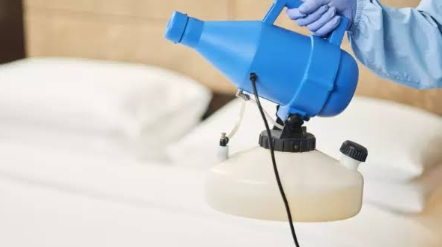
Mosquito fogging is a treatment method where a machine releases a fine mist of insecticide into targeted areas. The mist reaches spaces where adult mosquitoes may rest, such as gardens, drains, bin areas, outdoor corners, shrubs, and shaded zones.
The main purpose of mosquito fogging is to reduce the number of adult mosquitoes quickly. This can help lower biting activity around homes, offices, restaurants, schools, warehouses, and event spaces.
Fogging is commonly used in areas such as:
- Landed homes and gardens
- Condominium compounds
- F&B outdoor seating areas
- Schools and childcare premises
- Warehouses and loading bays
- Construction sites
- Event venues
- Commercial outdoor spaces
See also: How Custody Decisions Impact Family Life Long-Term
How Does Mosquito Fogging Work?
During fogging, trained technicians apply a controlled mist to mosquito-prone areas. The droplets move through the air and settle on surfaces where mosquitoes may be flying or resting.
A proper fogging service should consider:
- Where mosquitoes are most active
- Whether the space is indoor, outdoor, or semi-outdoor
- Time of day
- Weather conditions
- Nearby water-holding areas
- Safety precautions for people, pets, and equipment
Fogging is usually most effective when mosquitoes are active and when wind or rain will not immediately disperse the treatment.
What Fogging Can and Cannot Do
What Fogging Can Do
Mosquito fogging can:
- Reduce adult mosquito activity quickly
- Help control biting during higher-risk periods
- Support dengue prevention efforts
- Improve comfort in outdoor and shared spaces
- Treat shaded areas where mosquitoes rest
What Fogging Cannot Do
Fogging does not remove mosquito eggs or larvae in stagnant water. If breeding sites remain, new mosquitoes can emerge within days.
This is why Aardwolf Pestkare combines mosquito control with inspection and larviciding where needed. Larviciding targets mosquito larvae in water-holding areas that cannot be removed immediately.
Why Source Reduction Still Matters
Mosquitoes can breed in very small amounts of stagnant water. Even if fogging kills adult mosquitoes, breeding sites can keep producing new ones.
Property owners and facility teams should check:
- Plant saucers
- Pails and containers
- Roof gutters
- Floor traps
- Drains
- Tarpaulin sheets
- Outdoor furniture covers
- Bin areas
- Construction materials
- Water features
Removing stagnant water is one of the most important parts of mosquito control in Singapore.
When Should You Arrange Mosquito Fogging?
You should consider mosquito fogging when:
- Mosquito bites are frequent
- The premises has outdoor seating or open spaces
- The property is near dense greenery or drains
- Mosquitoes keep returning after basic cleaning
- There is an upcoming outdoor event
- Staff, residents, or customers are complaining
- Larvae or breeding sites have been found nearby
For businesses, early treatment helps avoid disruption and keeps the premises more comfortable for staff, visitors, and customers.
What Happens During a Professional Mosquito Control Visit?
A professional mosquito control visit should begin with inspection. The technician checks likely breeding and resting areas before deciding where fogging or larviciding is needed.
A typical process includes:
- Inspecting the site
- Identifying breeding or resting zones
- Advising on stagnant water removal
- Applying fogging where suitable
- Applying larvicide where required
- Giving prevention advice
- Recommending follow-up if activity continues
This approach is more reliable than using fogging alone without checking the source of the problem.
Safety Tips Before and After Fogging
Before fogging:
- Keep people and pets away from the treatment area
- Cover food, utensils, and sensitive items
- Close windows or doors if advised
- Inform staff, residents, or tenants beforehand
After fogging:
- Wait for the advised re-entry time
- Ventilate indoor or semi-enclosed areas if needed
- Avoid touching treated surfaces immediately
- Continue checking for stagnant water
Aardwolf Pestkare’s technicians can advise suitable safety steps based on the site layout and treatment plan.
FAQ
Is mosquito fogging effective in Singapore?
Yes, mosquito fogging can reduce adult mosquitoes quickly. It works best when combined with removal of stagnant water, larviciding, and regular inspection.
Does fogging kill mosquito larvae?
No. Fogging targets adult mosquitoes. Larvae in stagnant water need source removal or larviciding to stop new mosquitoes from emerging.
How often should mosquito fogging be done?
Frequency depends on mosquito activity, property type, nearby greenery, and risk level. Some sites may need one-off treatment, while higher-risk areas may need scheduled visits.
Does Aardwolf Pestkare provide mosquito fogging in Singapore?
Yes. Aardwolf Pestkare provides mosquito fogging, larviciding, inspection, and preventive mosquito control services for homes, businesses, and managed properties in Singapore.