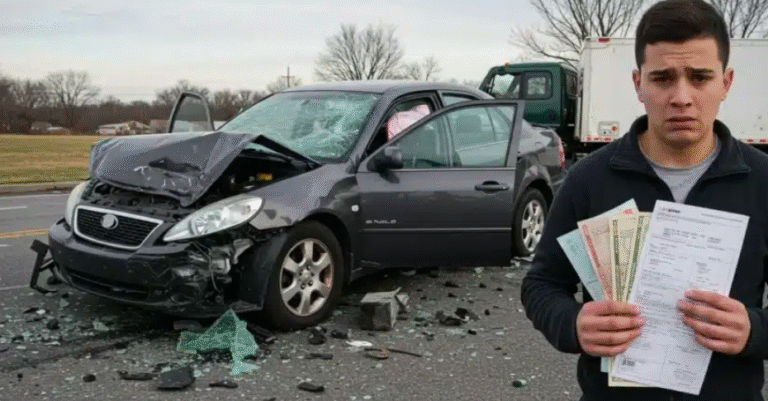
When Should You Contact a Lawyer After a Motor Vehicle Collision

Alabama’s roads carry everything from Birmingham commutes and Huntsville work traffic to rural county routes, interstate freight, beach-bound visitors, and family errands across small towns. When a crash happens here, the aftermath can feel especially confusing because medical choices, insurance calls, repair decisions, and questions about fault often arrive at the same time. Alabama also follows legal rules that can make timing important, particularly when another driver, a company vehicle, or an insurer begins shaping the story before you have a clear picture of your losses.
For anyone looking for legal assistance after a collision, the questions are whether you have a claim and when a lawyer should get involved. The answer often depends on what must be preserved, documented, or challenged while the facts are still fresh. Speaking with Wettermark Keith early can help you understand your position before pressure builds or key details become harder to confirm.
Why Early Contact Helps
Early legal guidance can protect a claim before records scatter or memories fade. Law firms often review crash reports, treatment notes, and insurer contacts while symptoms are still unfolding. That timing matters because adjusters may request statements before pain patterns, work restrictions, or property damage figures are fully documented.
See also: Advanced scanning tech: revolutionizing security and healthcare
After Medical Care
Immediate medical evaluation should come first, even after a low-speed impact. Adrenaline can mask concussion symptoms, cervical strain, abdominal tenderness, or joint inflammation for several hours. Once you address urgent care, legal advice should follow soon. Prompt review helps connect treatment dates, imaging orders, witness names, and police findings before small details disappear.
If Injuries Seem Minor
Some people feel stable at the scene, then wake with stiffness, tingling, headache, or reduced shoulder movement. Soft tissue injury often develops gradually as inflammation rises. Delayed legal contact can create an opening for insurers to question whether the collision caused later complaints. Early review closes that gap before doubt gains traction.
If Fault Is Disputed
Liability may appear clear, then shift once photographs, traffic footage, and witness statements begin circulating. Two drivers can describe the same impact in sharply different ways. A lawyer should be contacted quickly when blame is contested, shared, or uncertain. Early investigation may preserve road markings, debris patterns, and vehicle damage before weather, towing, or repairs alter the scene.
If an Insurer Calls Fast
Insurance representatives often call within days, sometimes within hours. Their questions may seem routine, yet each answer can shape how an injury claim is valued. A recorded statement given too early may leave out symptoms that surface later. Legal guidance before a detailed interview can reduce avoidable mistakes and keep facts from being guessed or overstated.
If Money Pressure Starts
Financial strain can begin almost immediately. Lost wages, copays, prescription costs, rental fees, and towing charges may appear before a treatment plan is fully known. That pressure can push injured people toward a quick settlement. Early legal help places those numbers in context and compares short-term relief with later needs, including therapy, imaging, surgery, or extended recovery.
Cases That Need Fast Action
Some collisions call for near-immediate legal attention because the medical and financial stakes rise quickly.
Serious Harm
Brain injury, spinal trauma, fractures, burns, organ damage, or lasting mobility loss usually lead to higher costs and longer treatment. These cases benefit from early record collection, careful symptom tracking, and clear proof of functional change. Delay can make it harder to link future complications to the original impact.
Fatal Collisions
When a death follows a crash, families face grief, urgent paperwork, and time-sensitive legal issues. Early support can help preserve evidence, protect communication records, and reduce procedural pressure during a painful period. Rapid action also matters where multiple insurers, employers, or public agencies may become involved.
Commercial and Public Vehicles
Crashes involving trucks, buses, rideshare vehicles, or government fleets often carry added rules. There may be employer files, maintenance logs, driver schedules, camera data, or notice deadlines that do not apply in a standard passenger case. Legal review should happen quickly in these matters. Waiting can leave critical evidence in someone else’s control for too long.
Signs of Delay Are Risky
Several warning signs suggest that waiting may damage a claim. Emergency responders attended the scene, the car was towed, treatment continued after the first visit, or the other driver denied blame. An insurer may ask for broad medical authorization or repeated statements. Missed work also raises the stakes. Each factor points to a need for early review.
Useful Steps Before the Call
A first legal call becomes more useful when key facts are organized. Beneficial items include the crash report number, scene photographs, insurance details, medical visit dates, discharge papers, and witness contact information. A short timeline also helps. It should list new symptoms, missed shifts, medication changes, and every insurer contact made after the collision.
Conclusion
The best time to contact a lawyer is usually soon after addressing immediate medical needs, especially when injuries, disputed fault, or financial pressure are involved. Delay may seem harmless, yet it often weakens evidence and gives insurers room to question cause, severity, or cost. Early legal review helps preserve records carefully, frame communication, and support a fairer path toward physical recovery and financial stability.