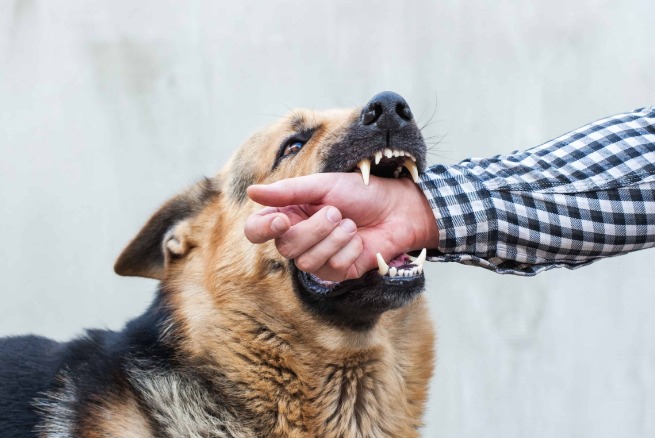
Why Scarring and Disfigurement Raise a Dog Bite Claim’s Value

A dog bite may close, yet the body can carry lasting evidence. Scars, contractures, nerve injury, facial changes, and altered skin texture can affect movement, sleep, work, and self-image. These injuries often increase claim value because they continue after urgent care ends. Medical records, photographs, specialist opinions, location, permanence, and daily limitations help show why visible damage deserves careful valuation.
Visible Harm Carries Weight
Texas bite cases usually depend on injury severity, fault, and long-term effect. A dog bite lawyer at Texas Law Dog may review scars with treatment notes, dated photographs, wound depth, infection risk, and local liability rules. Visible injury carries weight because decision-makers can see how torn tissue, pigment change, or uneven healing altered a person’s body and routine.
Scars Suggest Permanent Loss
A fracture may mend cleanly, while scar tissue can remain for life. That permanence often raises value because the loss is visible and measurable. Placement matters. Marks on the face, neck, hands, or forearms are harder to conceal. Raised, widened, dark, or rope-like tissue may support greater damages.
Disfigurement Is More Than Appearance
Disfigurement can affect how skin bends, stretches, and responds to touch. Tight tissue may restrict smiling, blinking, chewing, grasping, or joint motion. Some wounds injure small nerves, leaving numbness, burning, tingling, or stabbing pain. Functional loss can make an appearance-based injury medically serious.
Medical Treatment Raises Documentation
Scarring claims gain strength through consistent clinical records. Emergency notes, irrigation, sutures, antibiotics, tetanus care, and follow-up visits build a reliable timeline. Specialists add important detail. Plastic surgeons, dermatologists, and therapists can explain revision surgery, laser care, steroid injections, mobility limits, and likely costs. Their opinions help value future care.
Photos Help Prove Change
Photographs often tell the injury story better than memory. Early images can show punctures, swelling, bruising, drainage, tissue loss, and surgical repair. Later images may show pigment change, thickened tissue, depressed areas, or distorted skin lines. Dated photographs help connect the mark to the bite.
Future Procedures Add Value
Some scars need revision surgery, laser treatment, pressure therapy, injections, or silicone care. These treatments may require repeated appointments and recovery time. Future care belongs in a claim when a qualified provider explains the need. Written estimates, treatment plans, and clinical opinions make projected expenses easier to support.
Emotional Harm Is Real
Visible scarring can change how someone moves through public life. A person may avoid mirrors, photographs, social events, dating, sports, or customer-facing work. Children may face teasing, fear, or lasting self-consciousness. Adults may struggle with intimacy, confidence, or public attention. These harms can support pain and suffering damages.
Facial Scars Often Matter Most
Facial injuries often receive close attention because they are difficult to hide. A mark near the eye, mouth, cheek, or forehead may change expression. Even a minor facial scar can affect confidence. If treatment cannot restore appearance, valuation should account for that permanent difference.
Children Face Longer Impact
A child with a visible scar may live with it for many decades. Growth can also stretch tissue and change appearance over time. Pediatric cases may require future review by medical specialists. Age, school life, social development, and expected growth can shape disfigurement damages.
Work And Income Can Shift
Scarring may affect jobs involving public contact, hand use, or physical effort. Hand wounds can limit grip, typing, tool control, or fine motion. If work capacity changes, wage records and employer statements may help. Medical restrictions can connect the bite injury to lost income.
Insurance Reviews The Evidence
Insurance adjusters usually value scarring through proof. They examine medical records, photographs, bills, witness accounts, animal reports, and specialist opinions. They may compare prior claims with similar injuries. Strong documentation makes it harder to dismiss visible damage as minor. Thin records can reduce offers.
Fault Still Matters
A serious scar does not replace proof of liability. The claim still depends on owner conduct, prior knowledge, leash rules, control, or location facts. Evidence may include witness statements, animal control records, prior complaints, photographs of the scene, and treatment timing. Clear fault evidence increases settlement pressure.
Timing Can Protect Value
Prompt medical care helps link the wound to the attack. Delays may allow insurers to blame infection, poor healing, or another event. Reporting the bite also creates an official record. Early action protects health, preserves evidence, and supports a more accurate claim value.
See also: Comparing City Tour Tickets: Bus Tours, Walking Tours, and More
Conclusion
Scarring and disfigurement can raise dog bite claim value because they show harm that may last far beyond wound closure. Strong claims connect visible changes with medical findings, future care, emotional effects, and practical limits. Clear photographs, specialist opinions, timely treatment, and accurate reports help show the full loss. If permanent marks affect appearance, movement, work, or confidence, compensation should reflect that enduring impact.