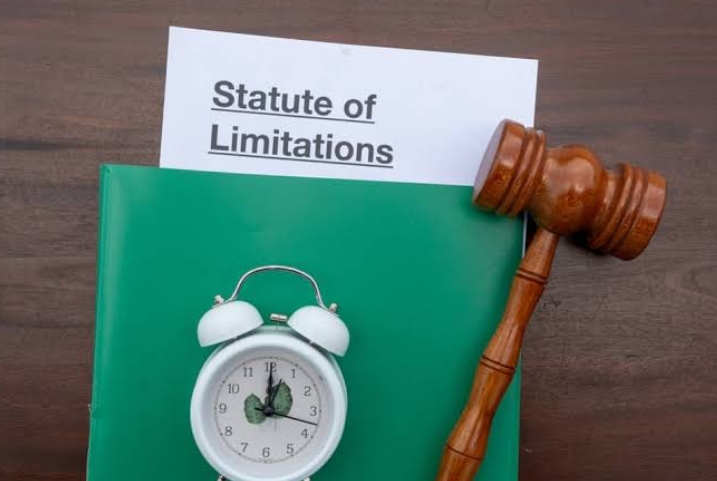
What Injury Statute of Limitations Means for Your Claim

Injury claims are shaped by treatment records, witness accounts, and strict filing dates. A statute of limitations sets the final day to start a lawsuit after harm occurs. Once that date passes, recovery may be barred, even with clear fault and serious trauma. State rules vary, so early calendar review matters. A precise timeline helps protect evidence, medical proof, and settlement options before pressure builds.
Why Timing Matters
A missed filing date can give the defense a clean path to dismissal. Before negotiations begin, the legal team at Anidjar & Levine may review the accident date, notice obligations, medical records, and any narrow exceptions to ensure our claim is not weakened by expired time before court papers are filed.
What Does the Deadline Control?
The filing limit usually determines the last date to file a lawsuit in court. It does not govern every insurance call, treatment visit, or records request. Those steps still matter because they support the determination of damages and fault. If settlement talks drag on for months, the court clock keeps ticking. A claim can feel active even as the right to sue slips away.
Common Injury Claim Windows
Many injury cases allow a period measured in years. Vehicle crashes, falls, dog bites, and unsafe property injuries often follow general civil rules. Medical negligence, public agency claims, and wrongful death cases may run under shorter or separate dates. The correct window depends on state law, the defendant’s identity, and the exact event that caused the harm.
When Does the Period Start?
Most filing periods begin on the date of injury. That is often clear after a collision, a fall, a burn, or a bite. Other cases are less direct. Symptoms may surface later, or the injured person may not know the cause right away. In limited circumstances, a discovery rule can change the start date under local law.
Delayed Symptoms
Neck pain, nerve irritation, signs of concussion, and joint inflammation can worsen over several days. A person may leave the scene feeling stable, then need medical care later. Delayed symptoms do not automatically extend the filing time. Early clinical notes should connect the condition to the event. Prompt evaluation also helps show the injury was real, related, and properly treated.
Claims Involving Minors
Child injury cases may follow special timing rules. Some states pause the filing period until the child reaches adulthood. Related claims, including a parent’s medical expense claim, may follow a different schedule. Families should avoid assuming every date waits. Courts may apply separate clocks to different parts of a single case, even when the same incident caused all the harm.
Government Defendants
Claims involving a city, county, state, or public agency often require early written notice. That notice period may be much shorter than a normal lawsuit deadline. A defective road, a public bus crash, a school injury, or a fall on public property can trigger these rules. Missing the notice date can damage the case before a complaint is drafted.
Evidence Fades Fast
Legal dates are a timing concern. Video can be erased within days. Witnesses relocate, memories weaken, and damaged surfaces get repaired. Photos, incident reports, repair logs, and medical notes are stronger when gathered early. Reliable proof can reduce disputes over fault, clarify injury severity, and provide a firmer factual basis for settlement discussions.
See also: Technology-Driven Accounting Solutions That Lower Business Costs
Insurance Talks Can Mislead
Insurance adjusters may discuss payment while the lawsuit clock continues to run. Courteous contact does not pause the filing period. A settlement offer also does not guarantee payment before the time expires. If talks continue near the deadline, filing suit may be necessary to preserve the claim while negotiation remains possible.
Exceptions Need Proof
Some exceptions can pause or extend time, but courts apply them with care. Fraud, hidden injury, childhood, mental incapacity, or defendant absence may affect the clock in limited settings. These arguments need documents, dates, and credible facts. Relying on an exception without support can place an injured person in a risky position.
Why Early Review Helps
Early review gives a claim breathing room. Counsel can identify the correct deadline, request records, preserve video, and speak with witnesses while details remain fresh. That review also helps measure damages, monitor care, and prepare a negotiation strategy. Time used well at the beginning can protect legal options later.
Conclusion
An injury deadline is more than a date on a calendar. It affects strategy, settlement pressure, evidence collection, and the right to file suit. Different clocks may apply when children, delayed symptoms, medical care, or public defendants are involved. The safest course is to quickly build a timeline, confirm the governing rule, and act before the final date determines the outcome.